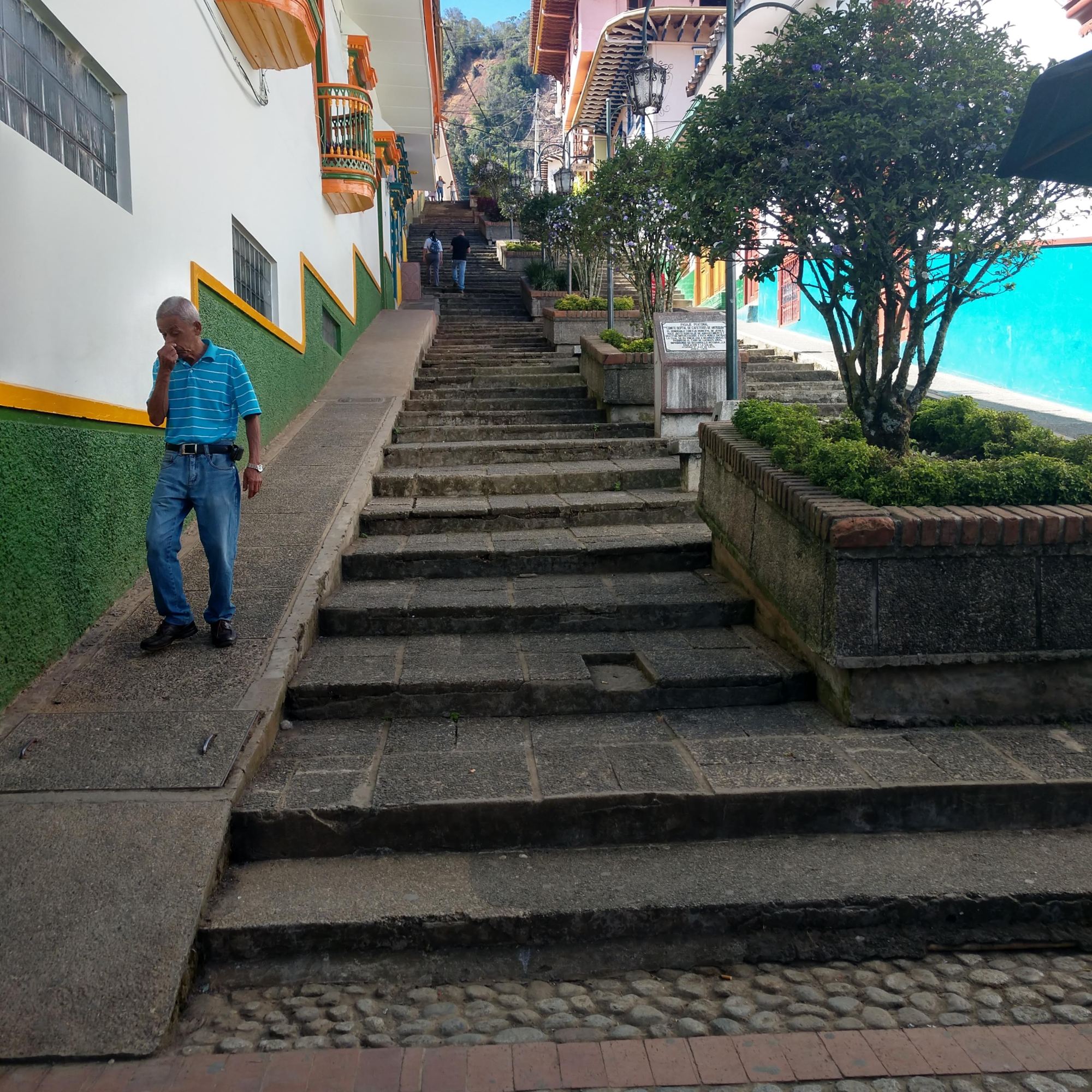
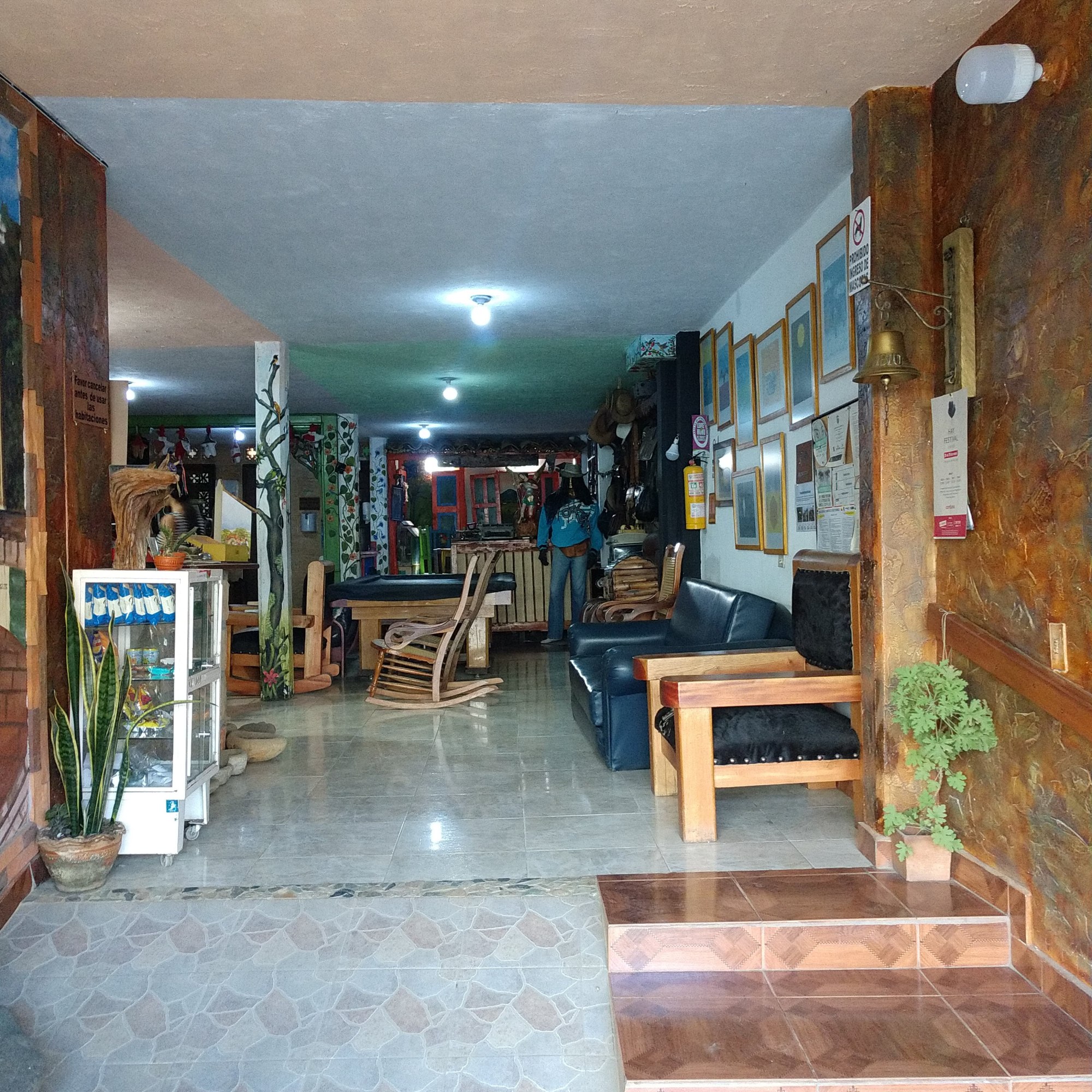
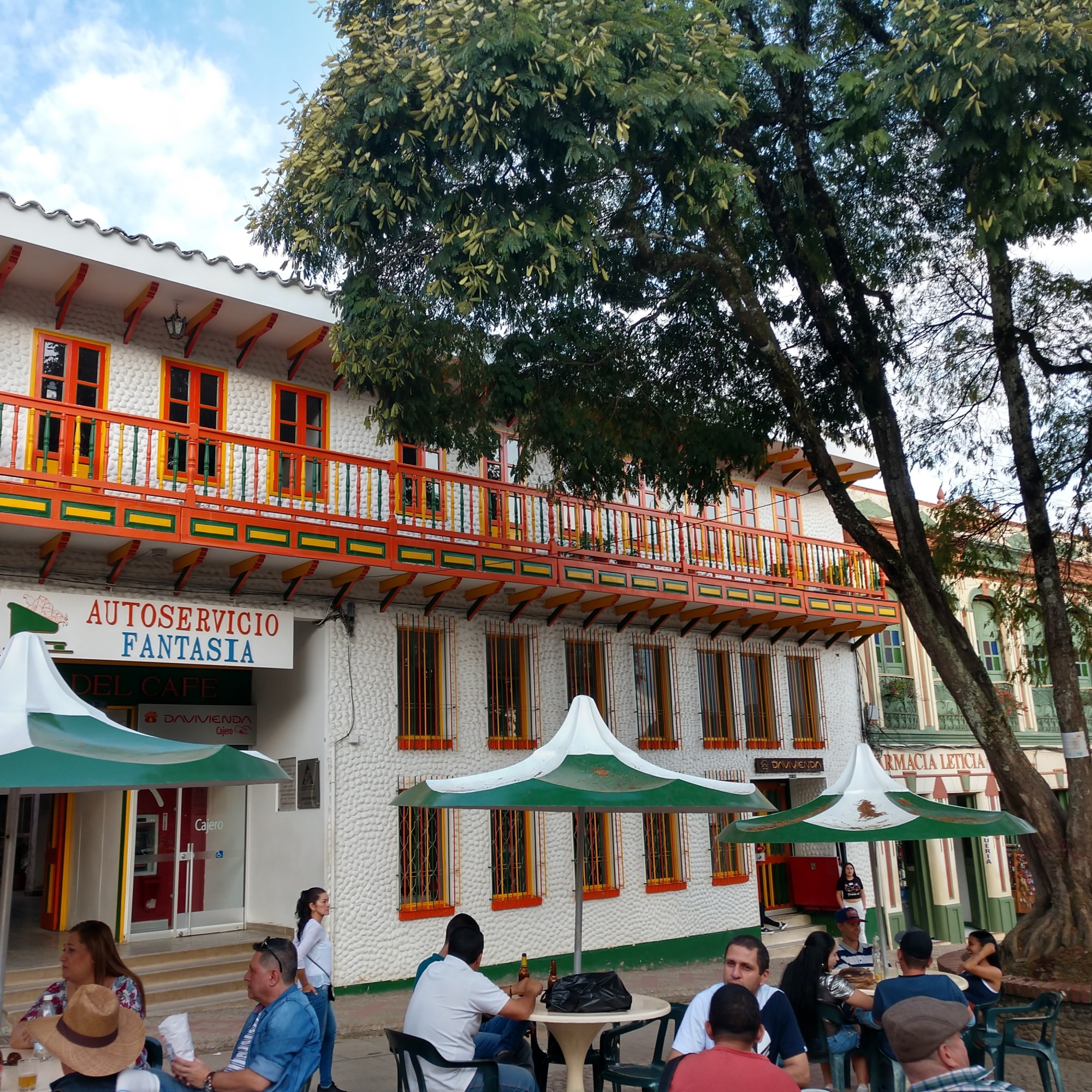
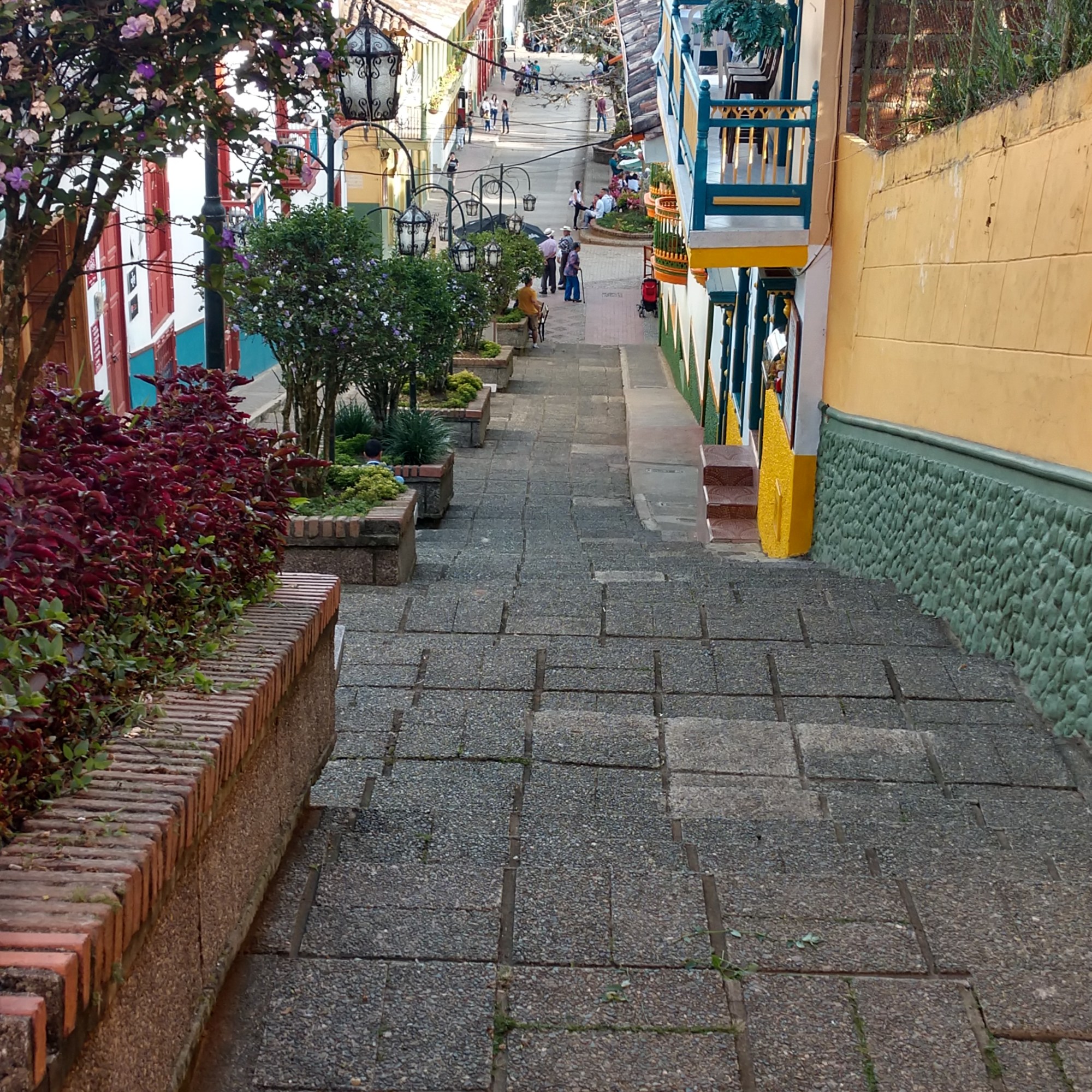
Jerico is a wonderful, colorful, small city with a population of about 11,000….with 17 churches and they are not small ones! The surrounding valleys amid the Andes are spectacular. But getting there was an adventure. First, the road construction for about a 1/3 of the way and then ‘Mario Andretti’ behind the wheel! He barely slowed for hairpin turns, which were every 10 seconds! It wasn’t a big bus, but an 8 passenger van and you felt most every bump as we and our luggage flailed from side to side around the corners:) But then you get there…..
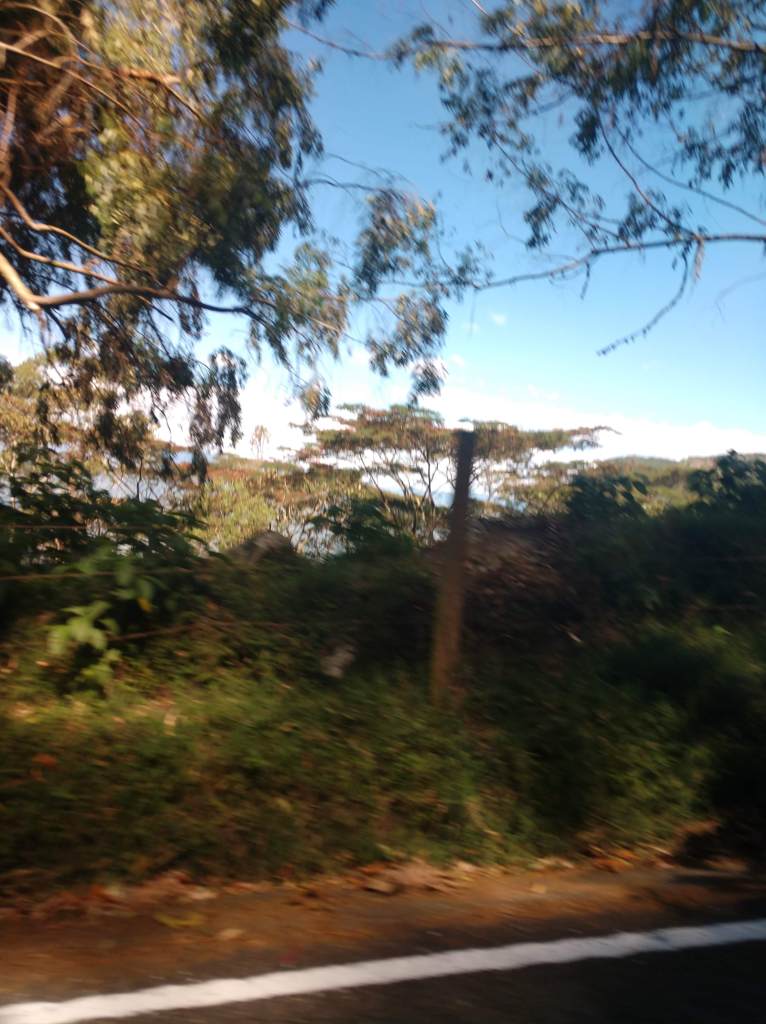
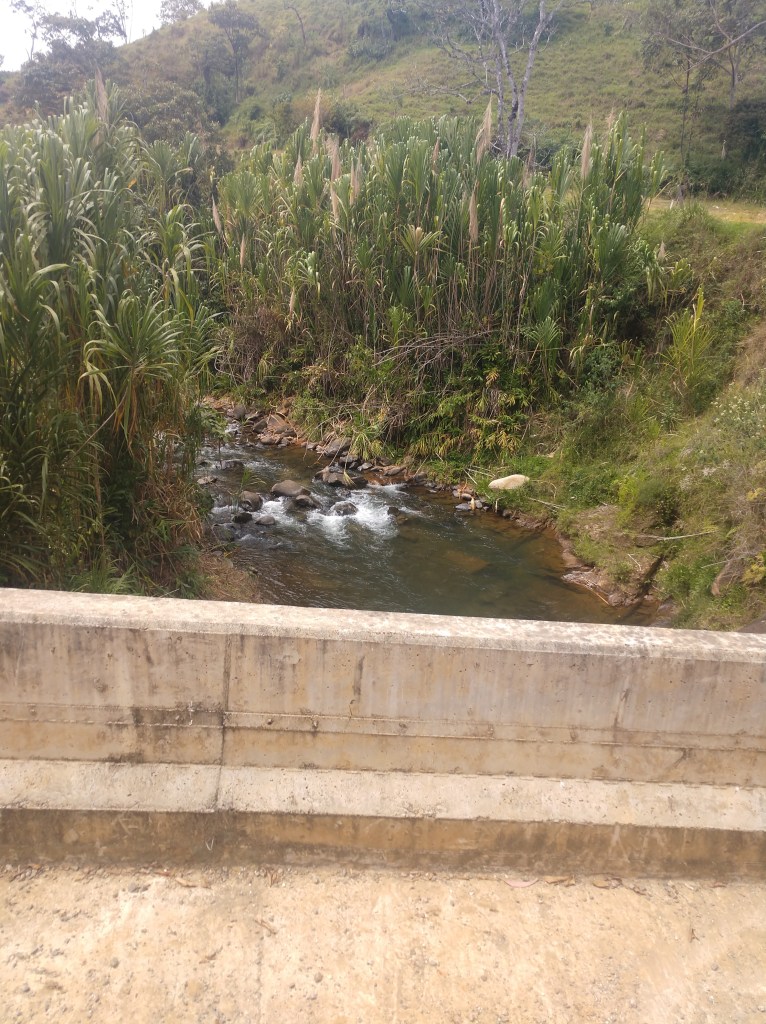
En Route 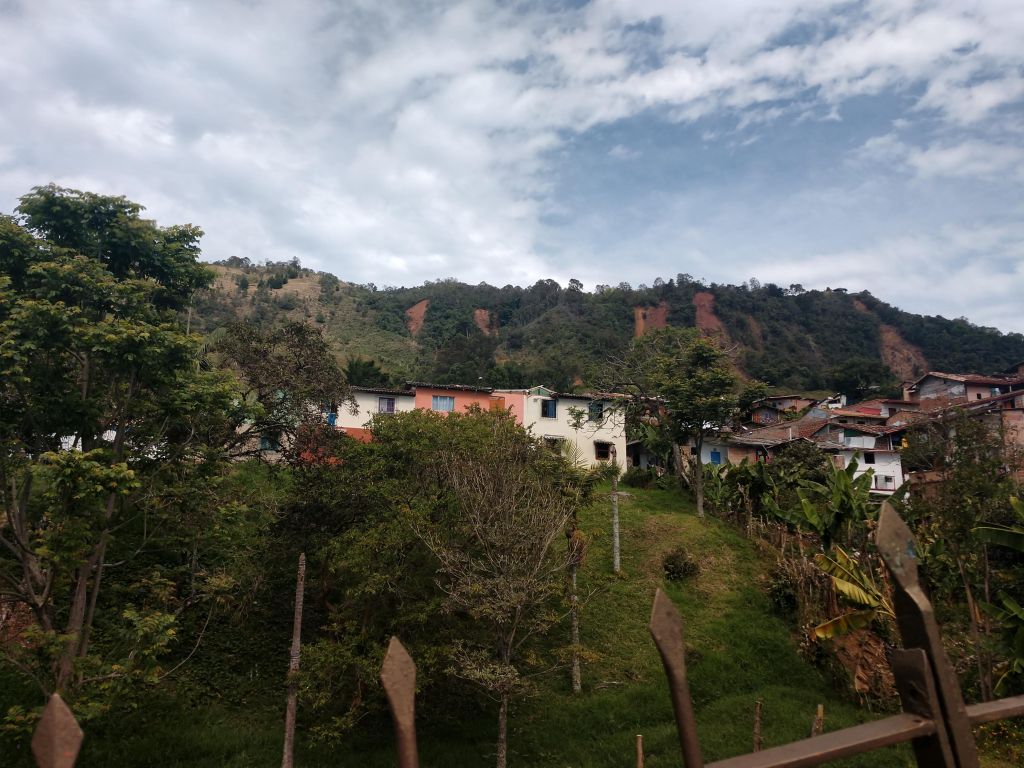
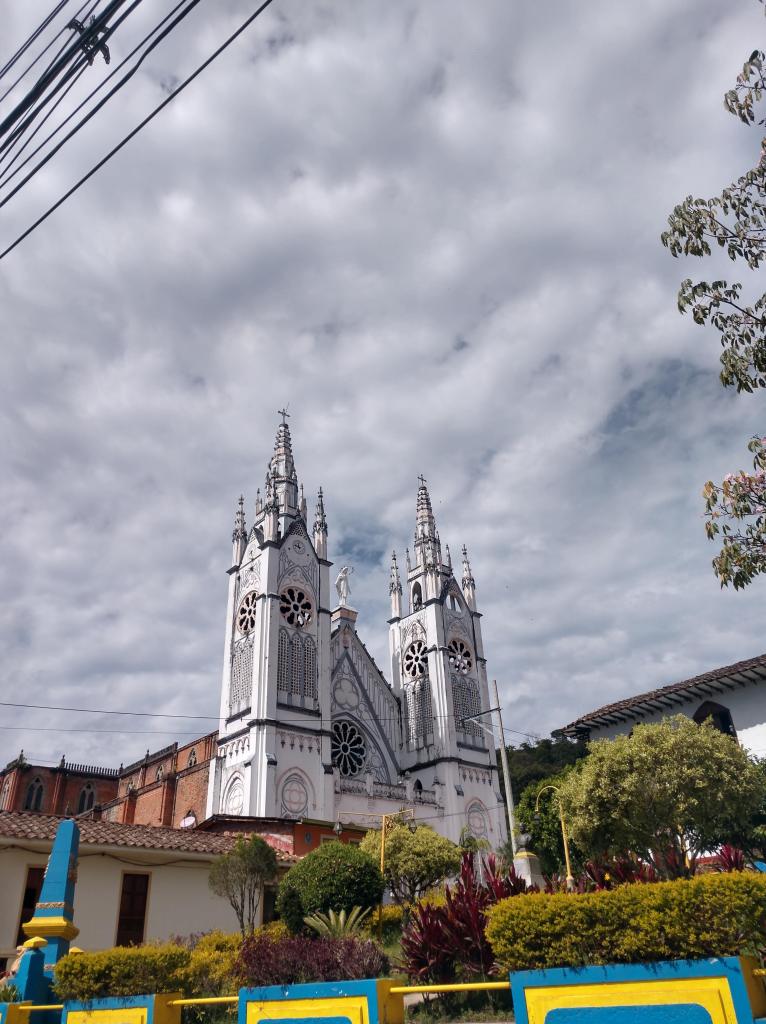
One of the 17 Churches in Jerico 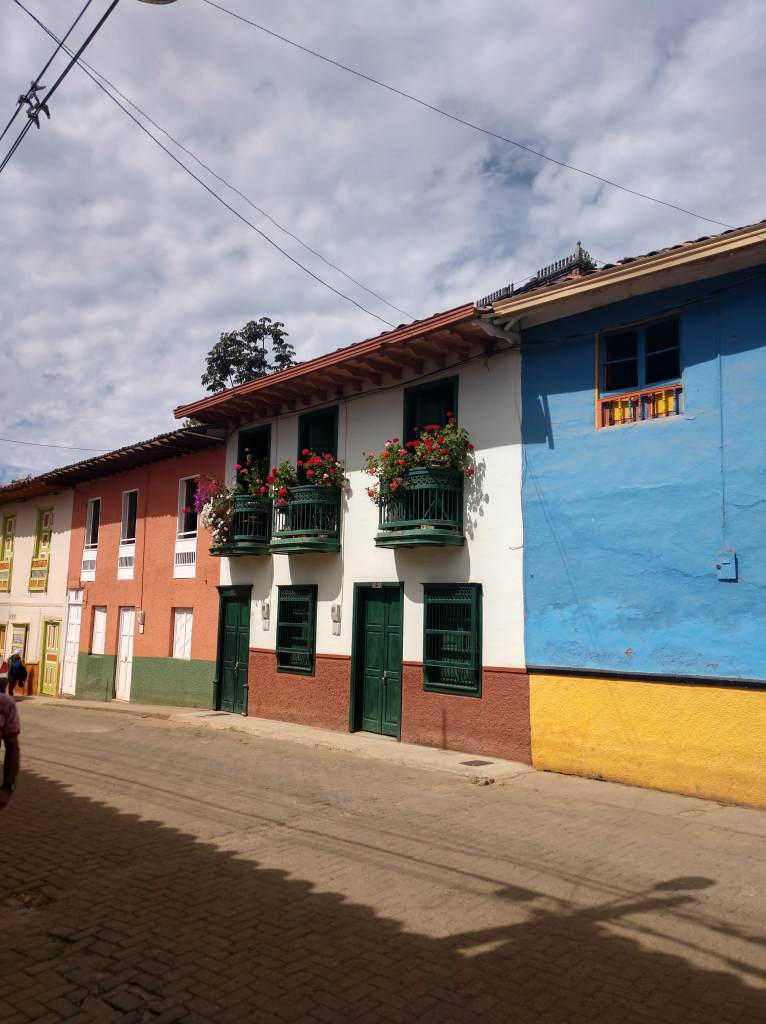
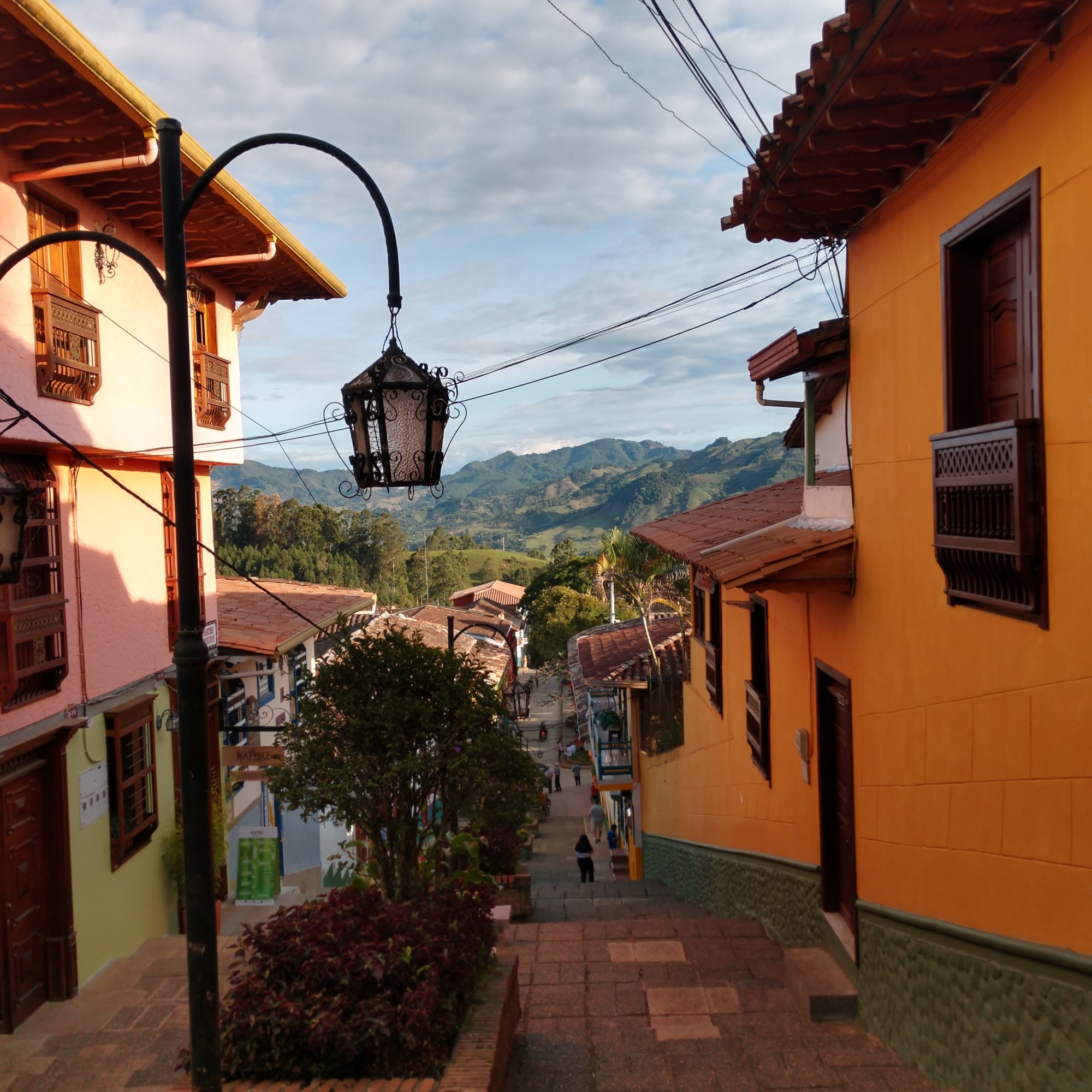
Typical street scene. 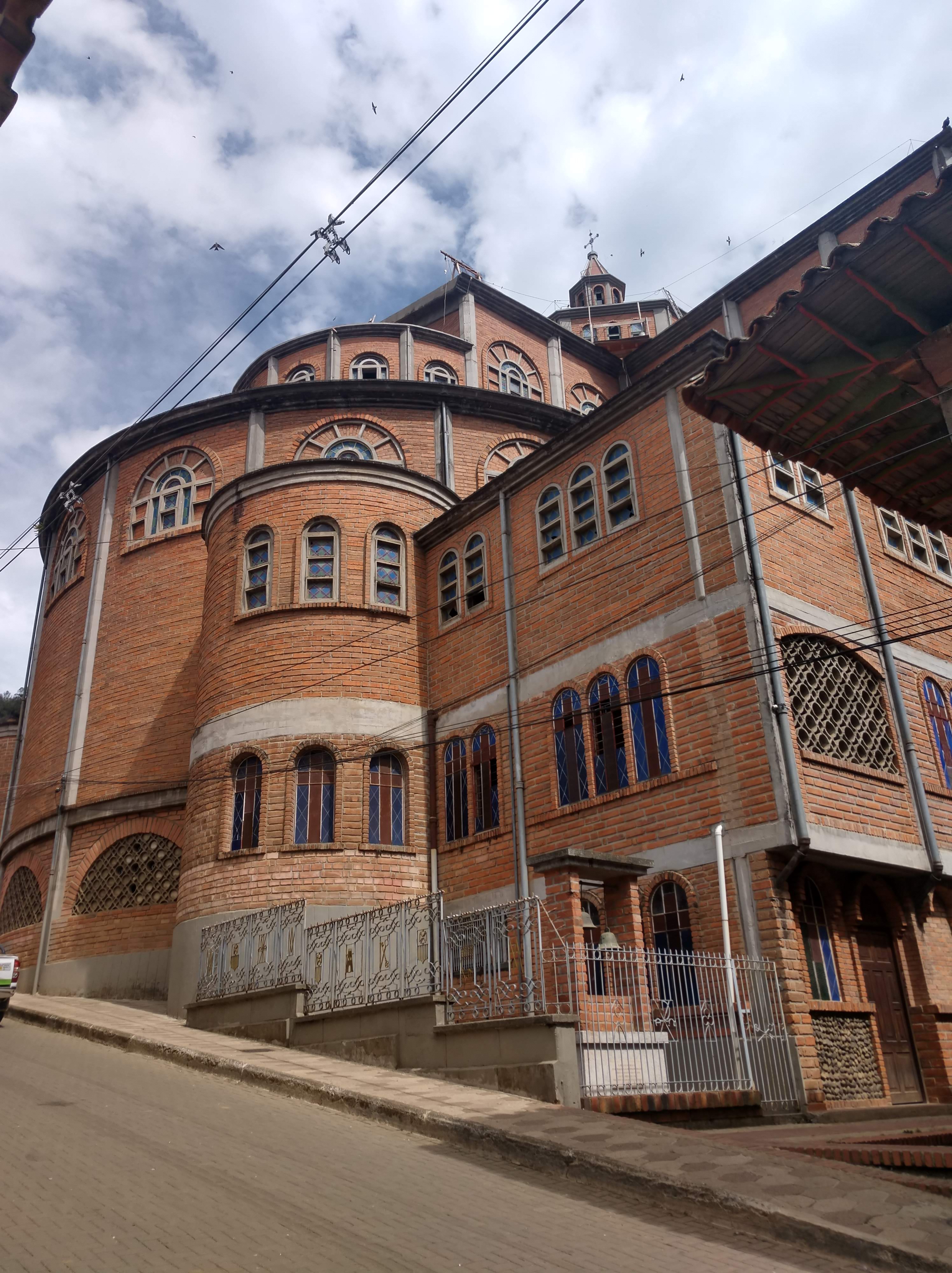
The Cathedral 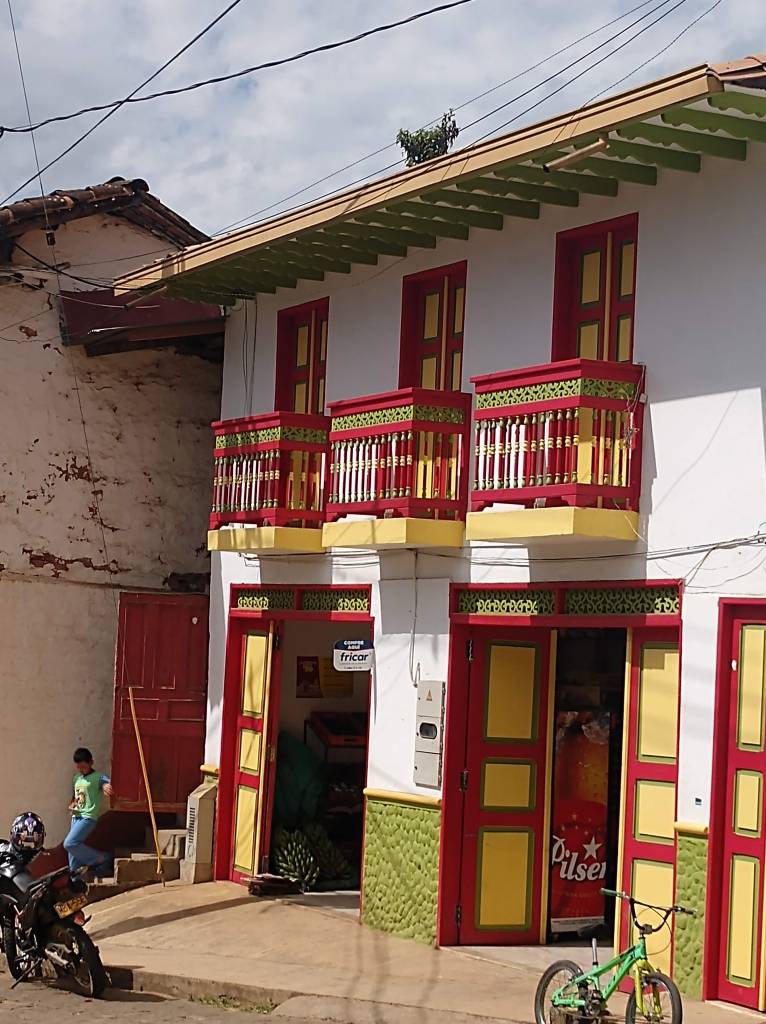
The lower part of the building is made of hard materials, but the upper part has cement, wood, paper etc. all mixed together.
I opted to do something I hadn’t tried for about 15 years… horseback riding. But to get there…..this guy had to take me on this….he kept saying, “tranquilla, tranquilla”. Longer than not being on a horse, I’ve not been on a Moto!! I held on so tight, he knew I was scared!
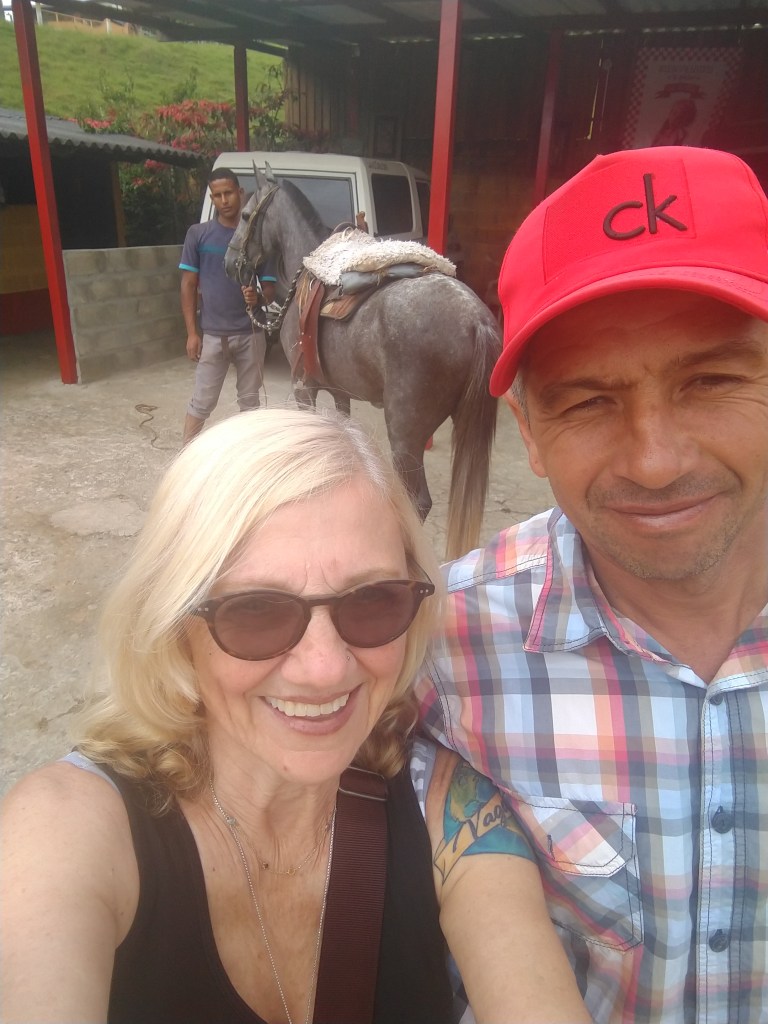
My driver. 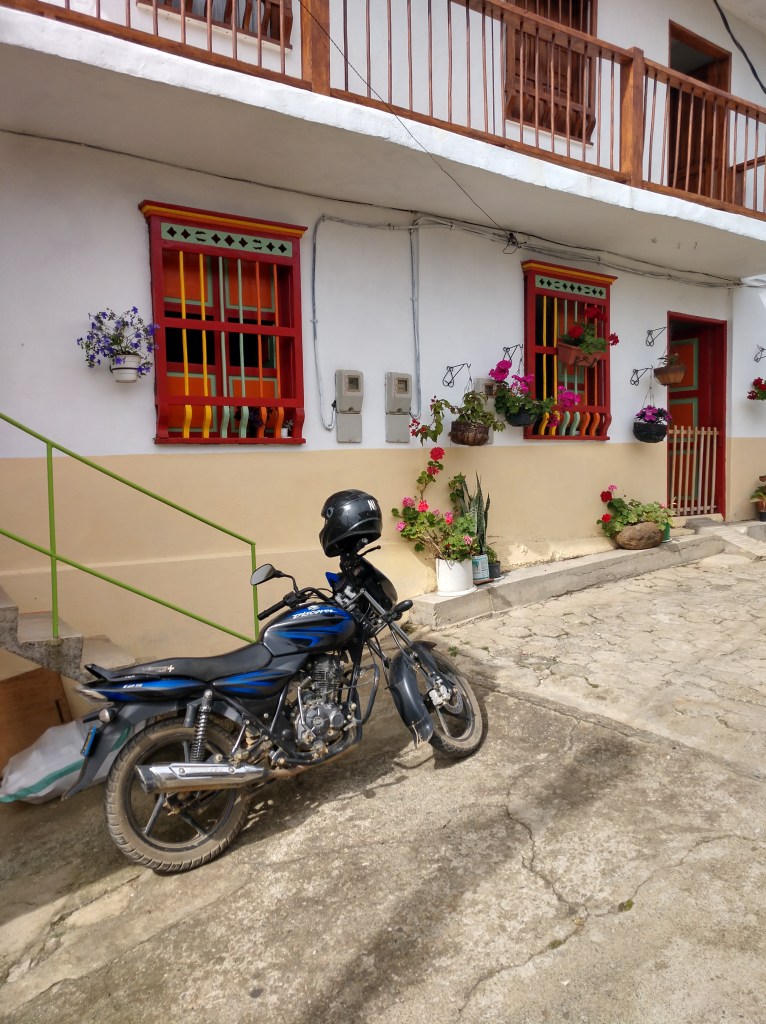
El Moto
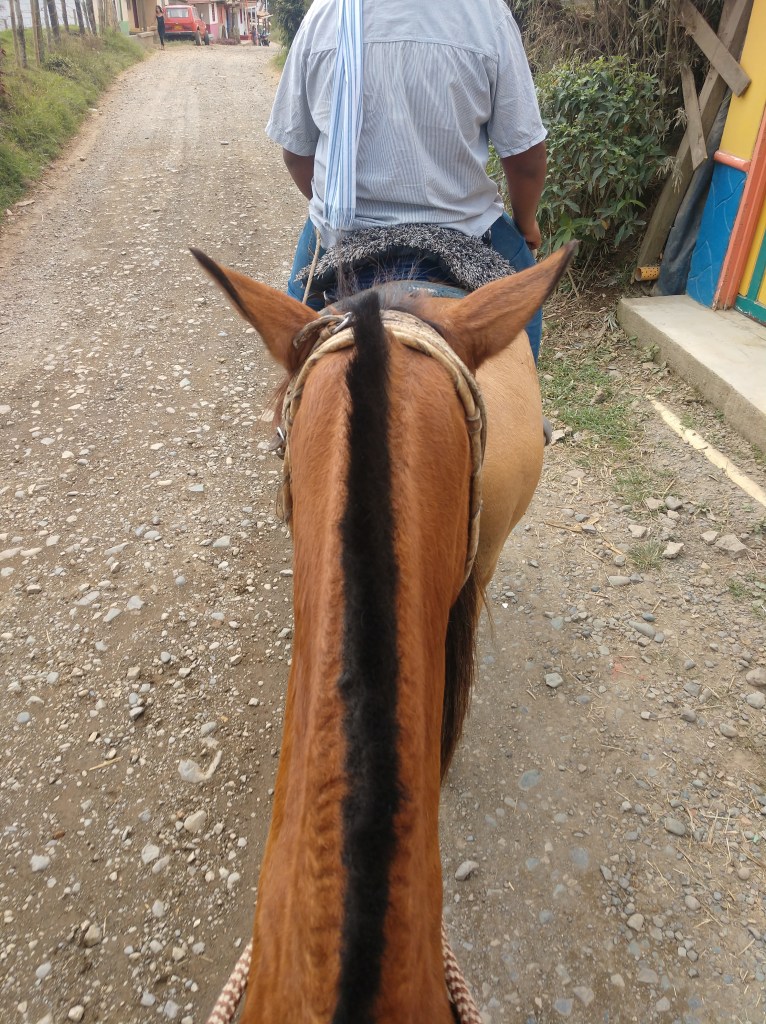
Then we got to the horse part….and again “tranquilla, tranquilla”. One of the guides attached my lead to his horse for about half of the ride…then I got the hang of it and the horse and I became amigos:) Actually, I think it was the Club Colombia!
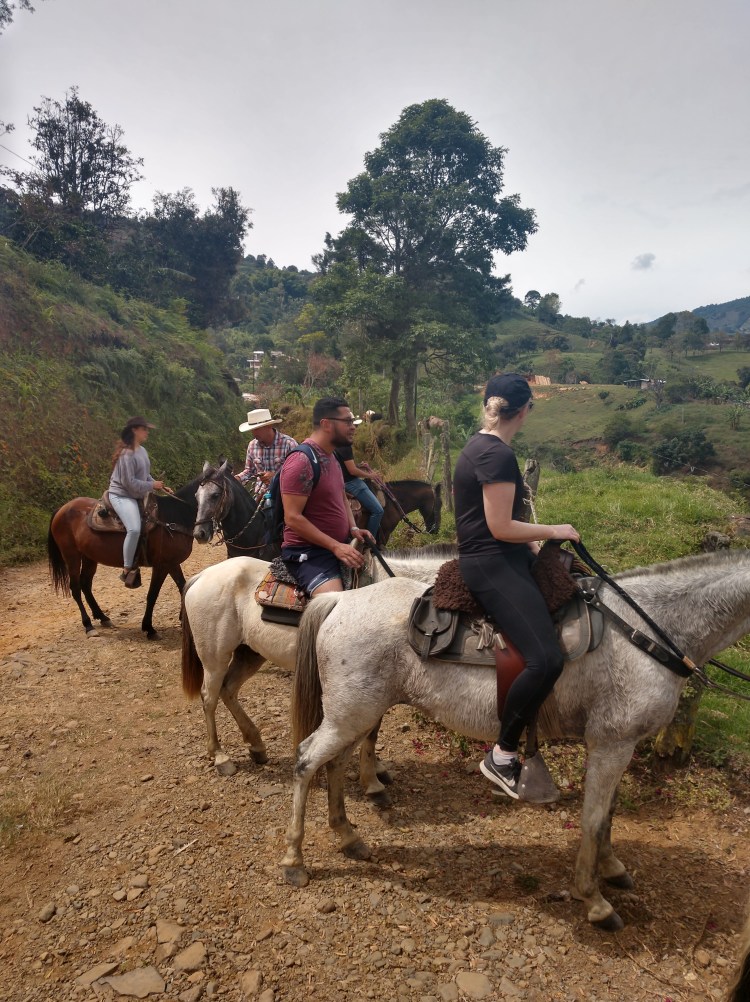
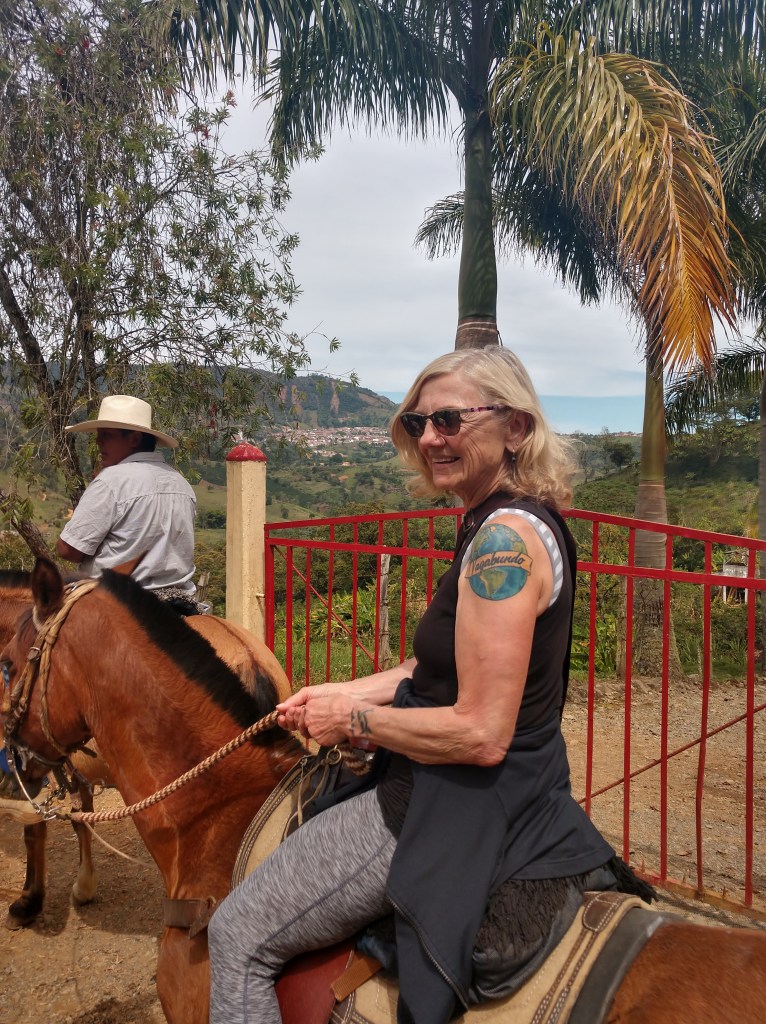
Still alittle nervous! 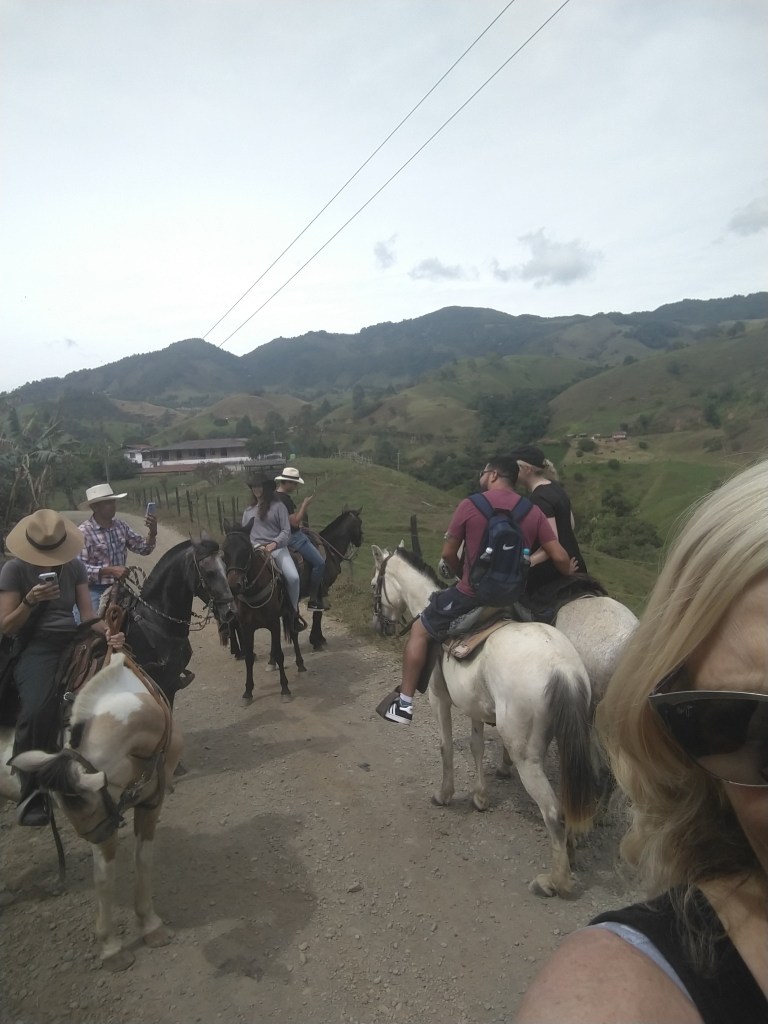
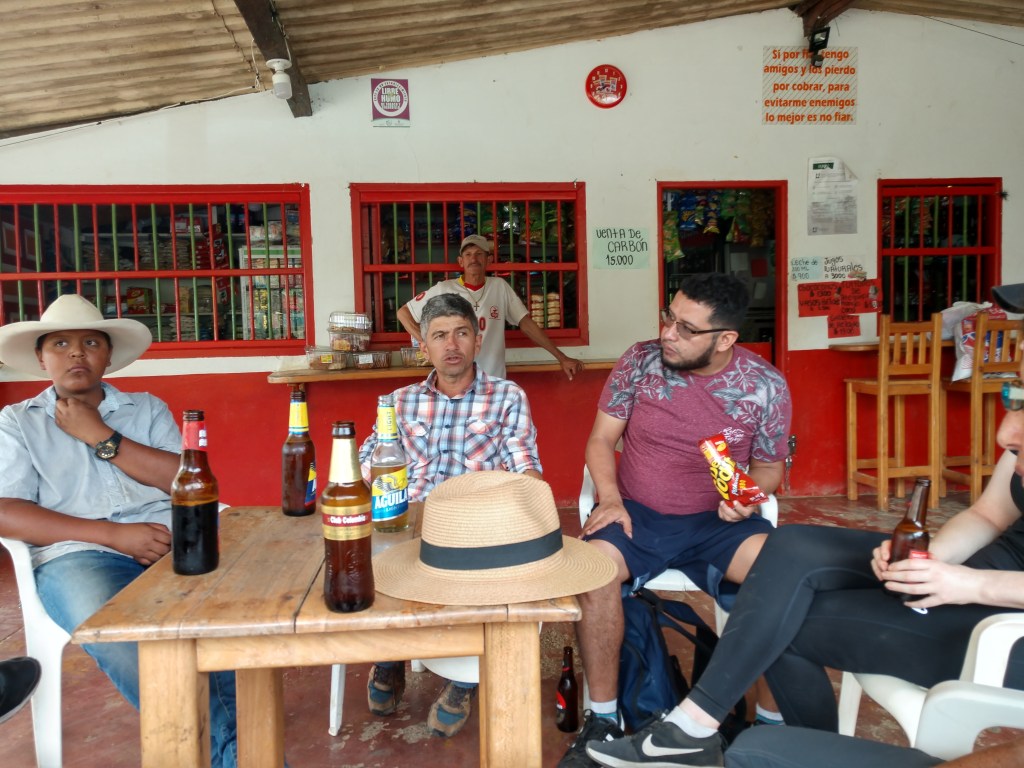
Our group. 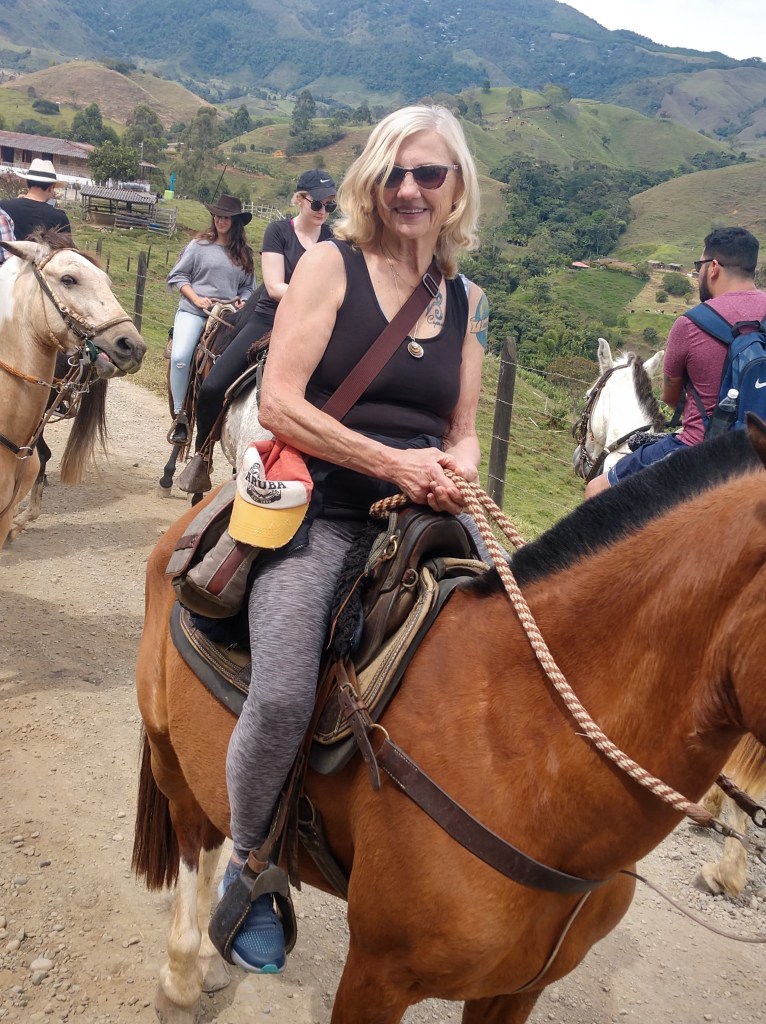
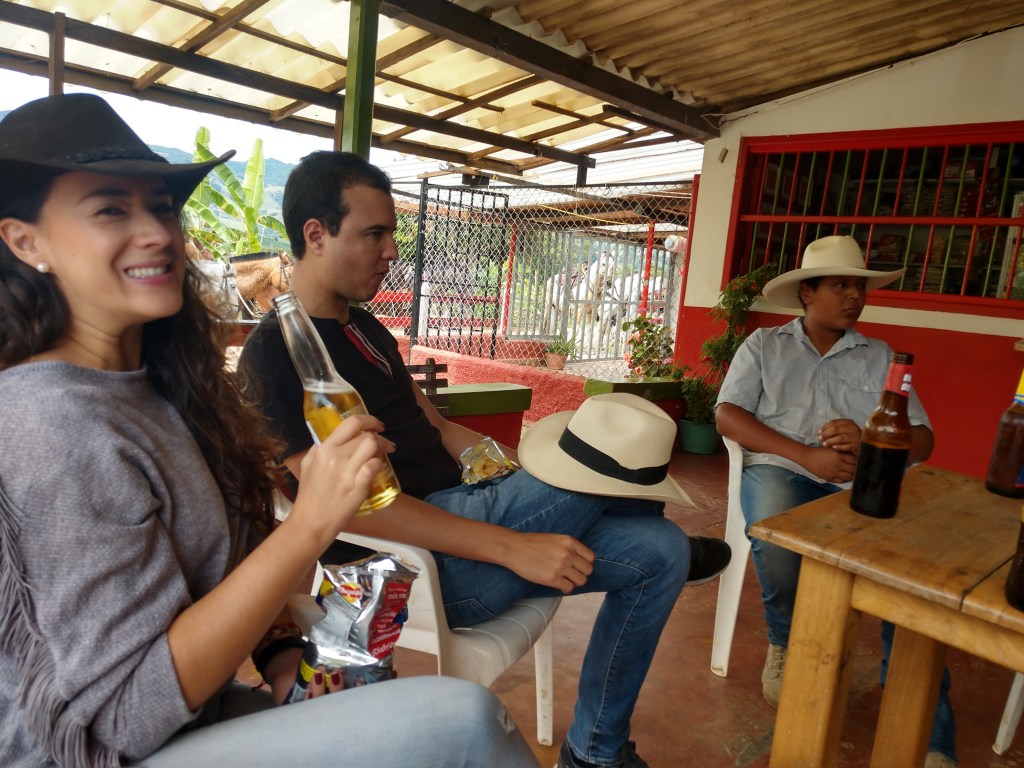
3 lawyers on this tour.
I went to the Botanical Gardens and Morro del Salvador before heading back to Medellin, which I requested a “Big Bus”. The ride was uneventful….Yay!
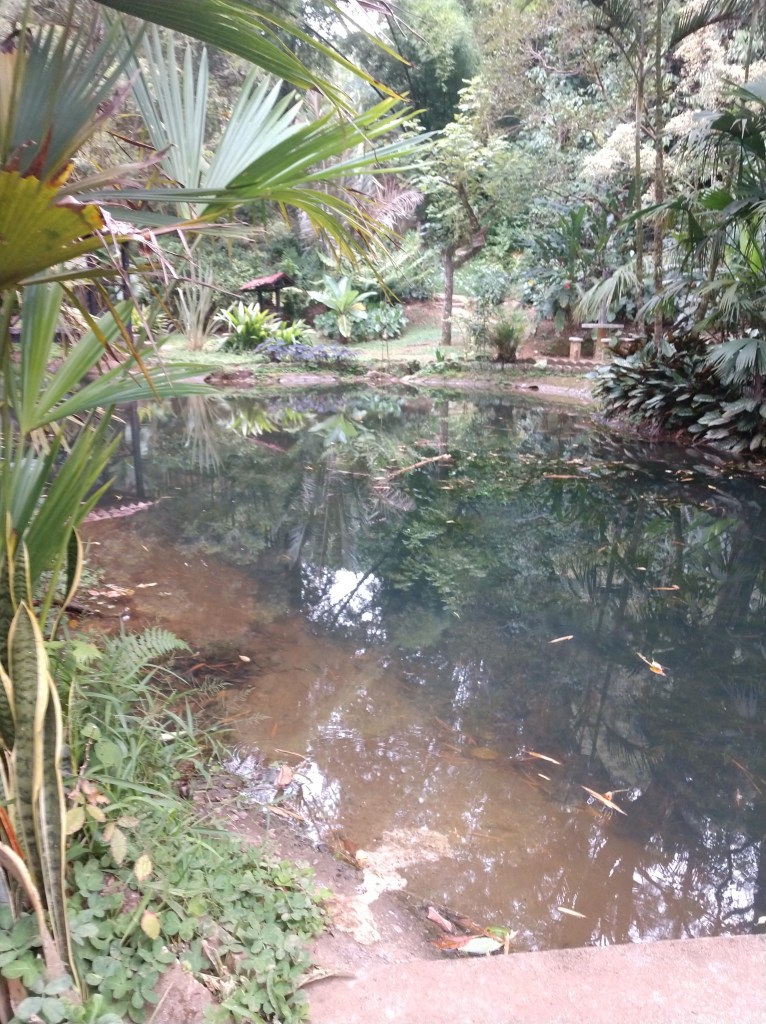
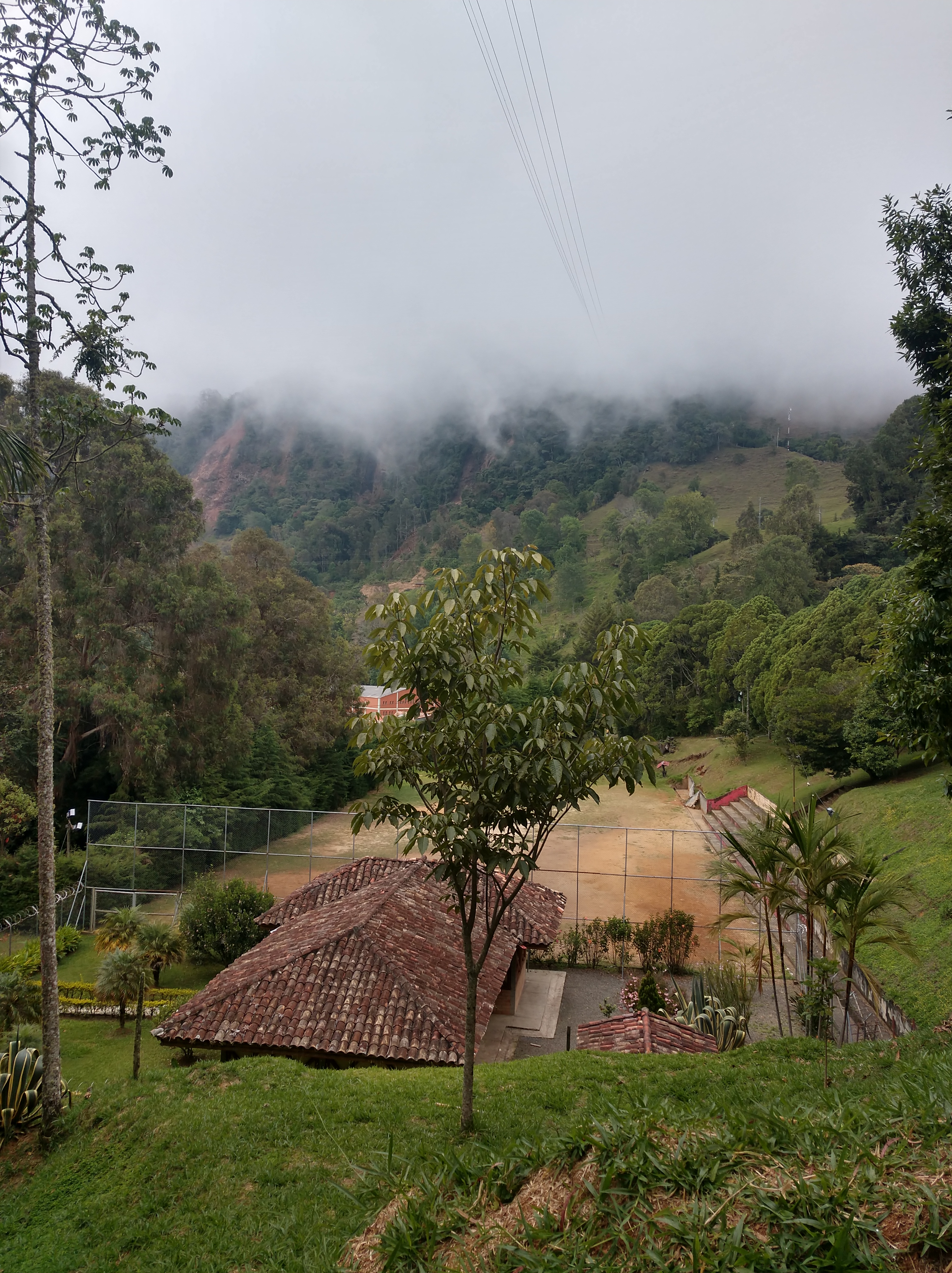
Botanical Gardens in Jerico 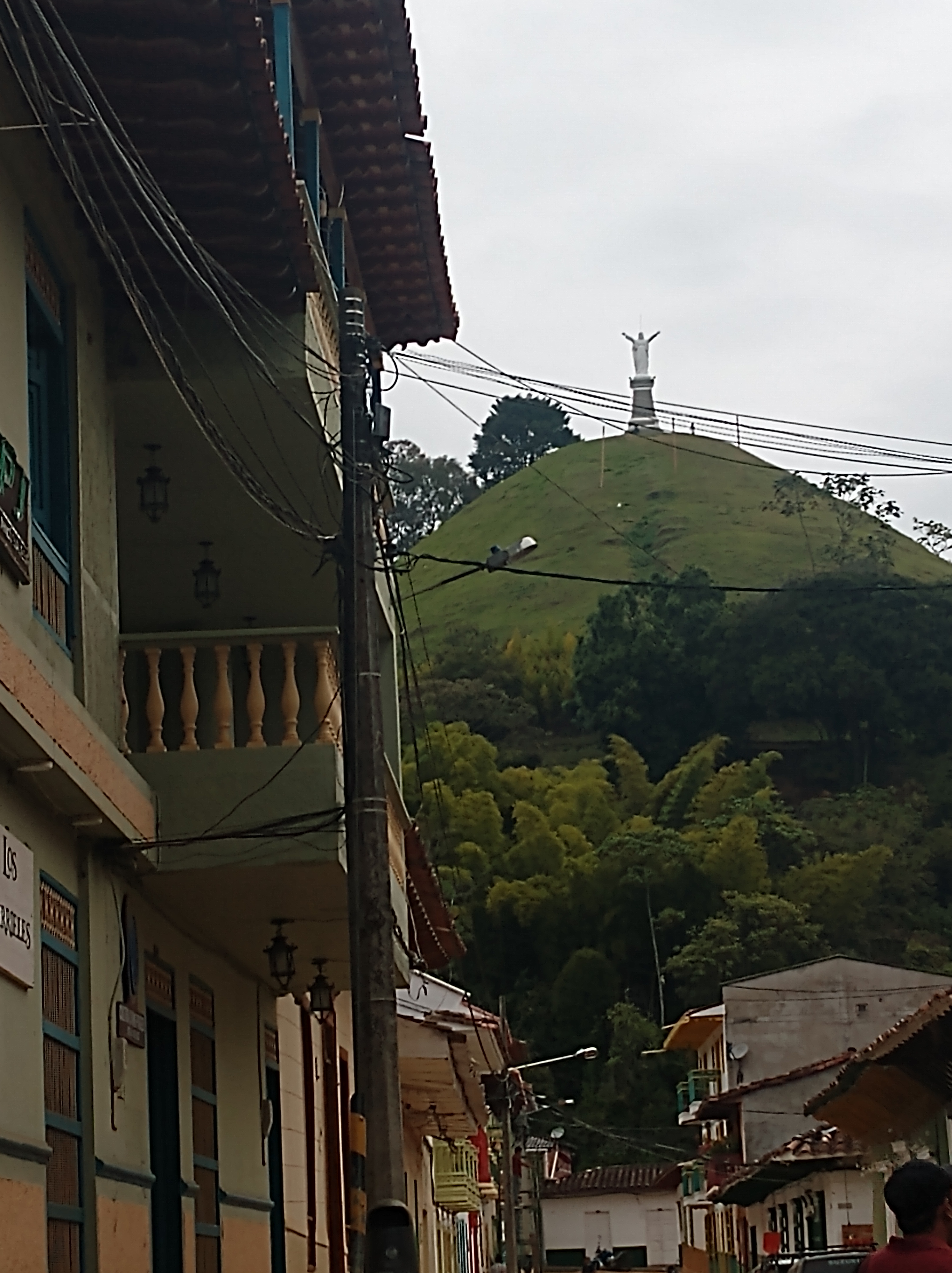
Morro del Salvador way up there.
Getting back to Medellin and the familiarity of the city was a pleasure. We rescheduled our tour of Communa 13, at one time the most dangerous neighborhood in Medellin. Photos below and a little of the history.
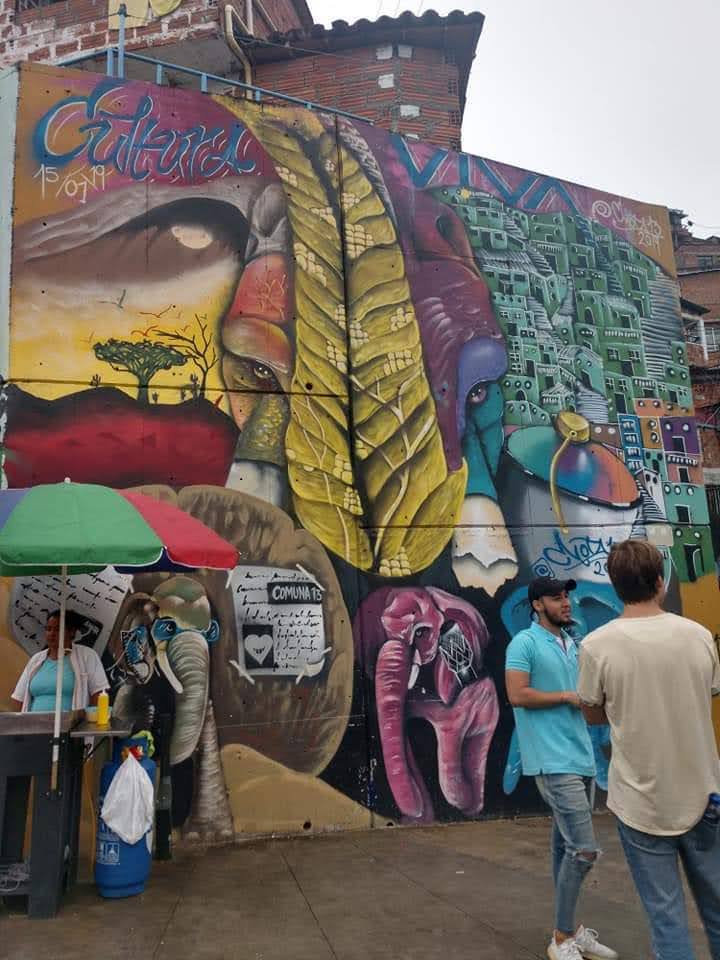
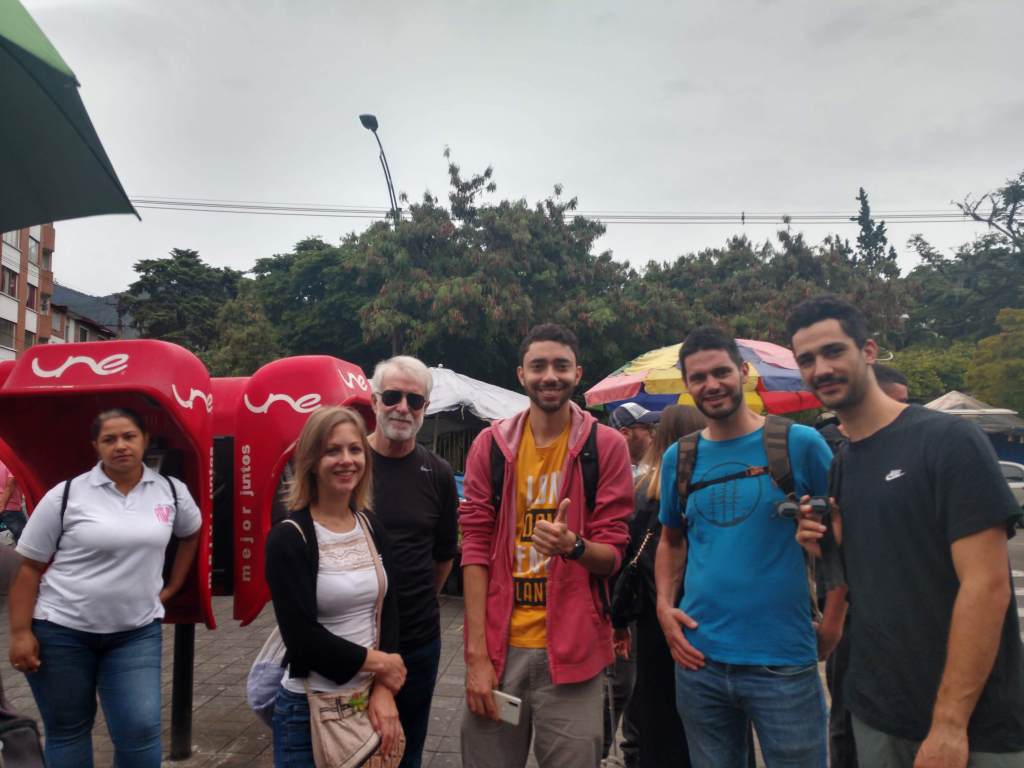
Part of the Graffiti Tour with Juan Jose (in the red hoodie) our guide 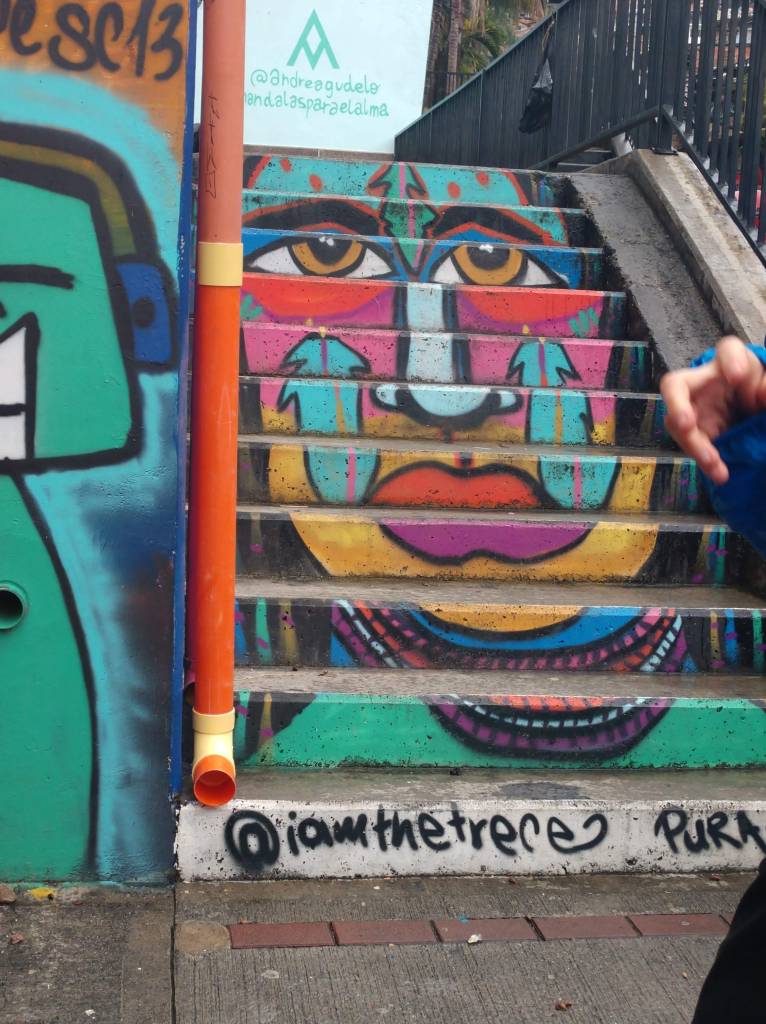

We put on 3-D glasses in this gallery 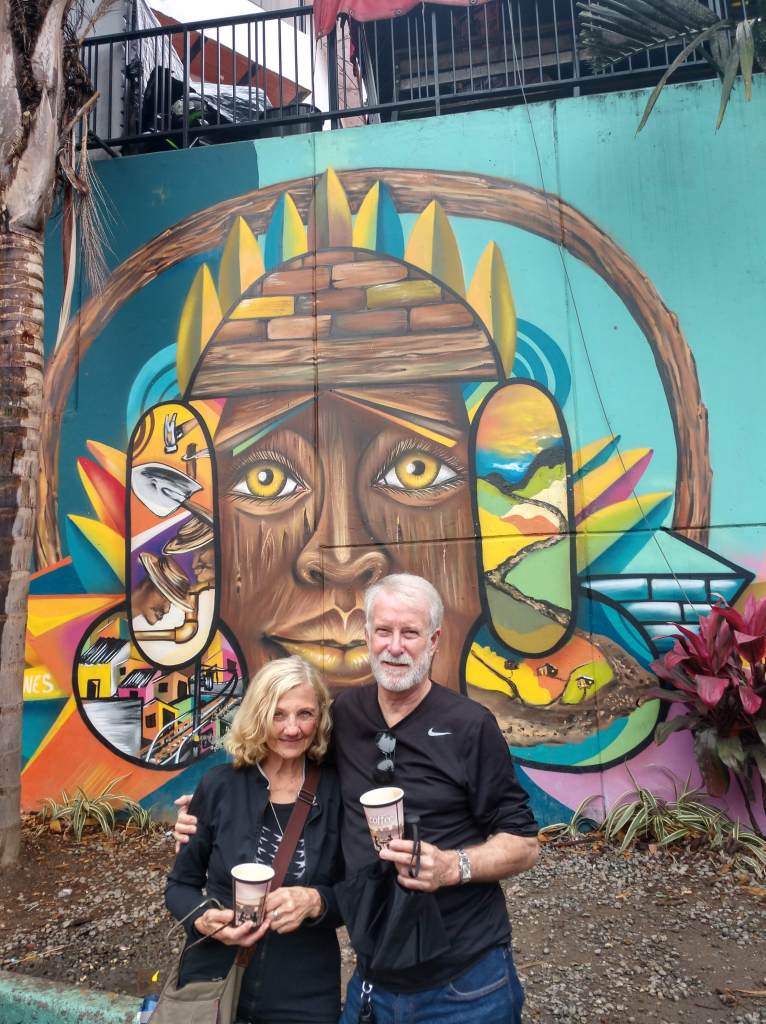
Stopped for a coffee along the way. 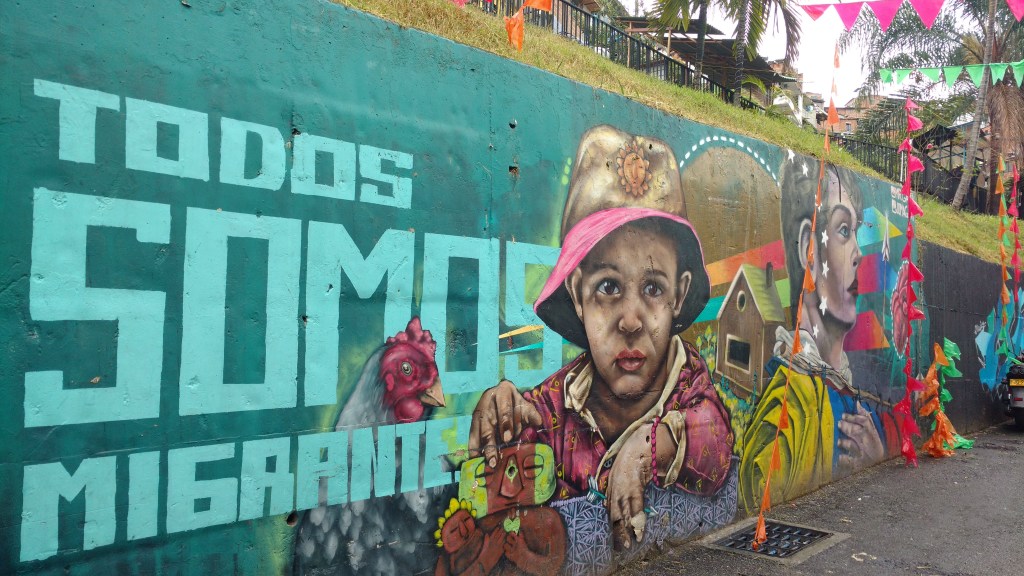
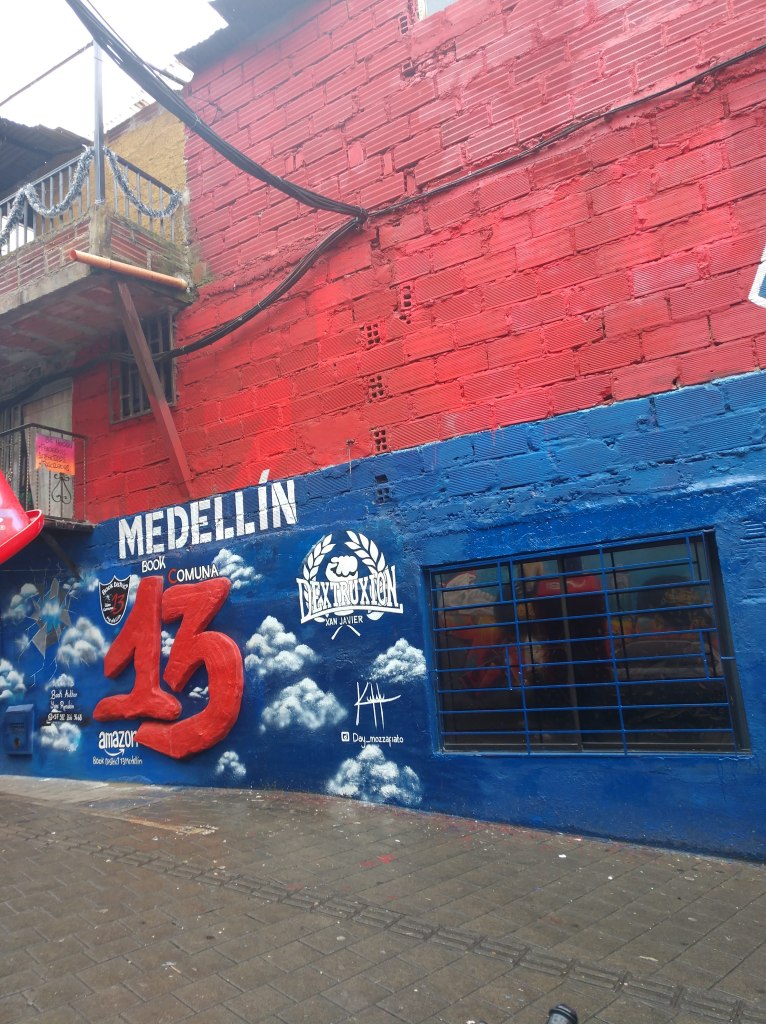
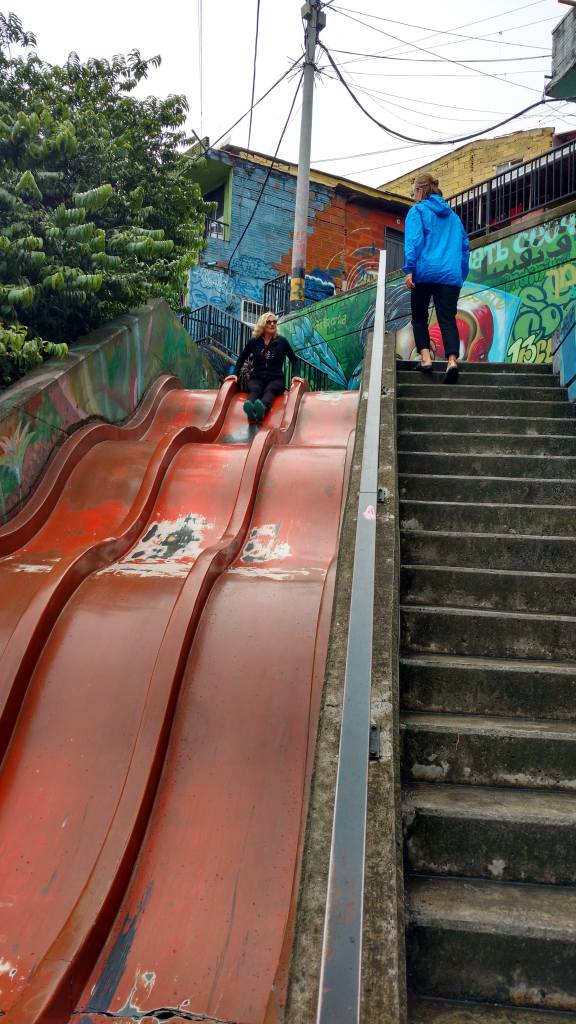
A slide to remember the youngest boy killed in Operation Orion. He was 7. 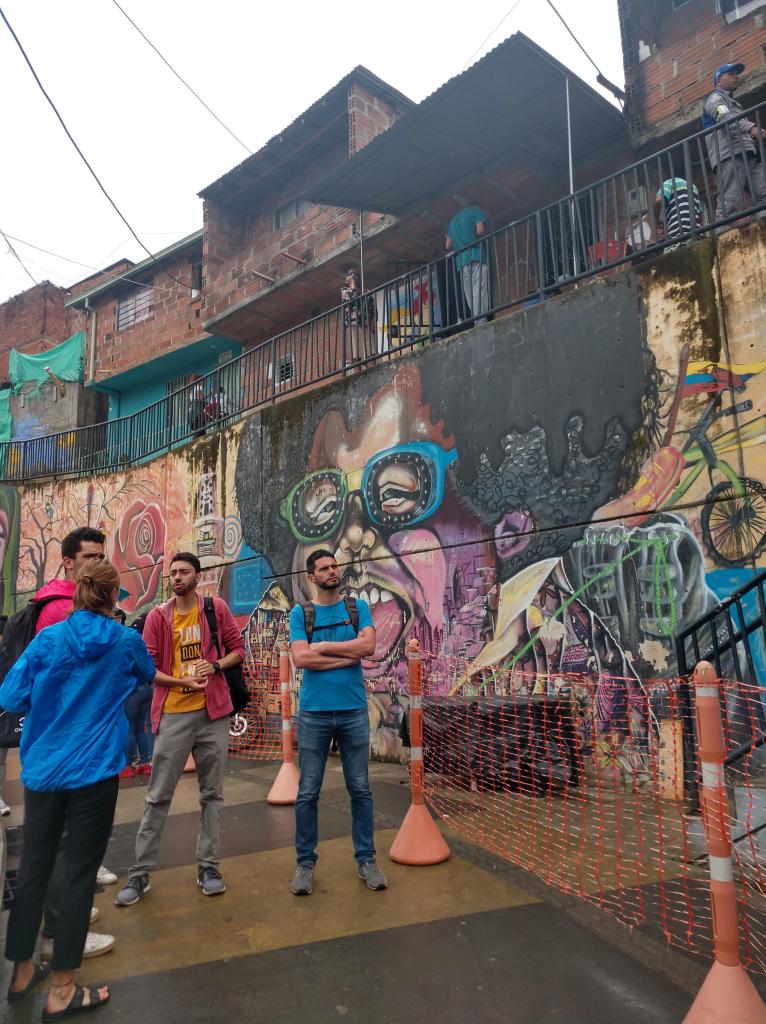
It has a complicated history. The land surrounding Medellin was a farming community, conducive to growing many fruits and vegetables. The struggle for power between the guerrilla forces and the para military (the group the government set up to combat the guerrillas) was won by the guerrillas, resulting in these poor farmers being displaced because their land was taken from them. The only place they could afford to live was up in these mountains. They constructed wood houses, later brick. The poverty led to illegal drugs and weaponry. Then the guerrillas and para military banded together against the government! When the government retaliated with tanks in Operation Orion, many innocent people lost their lives. It wasn’t until 2006 that the government stepped in to help Comuna 13. Since then the “escalators” were built that helped people get around in these high elevations. Graffiti in these areas brings in tourists and helps the community thrive. Their art tells the story of their struggles and it is changed every 1-2 years giving many artists ability to express themselves. The government has set up free programs for children in the area to keep them reaching goals that were virtually impossible a few years ago.
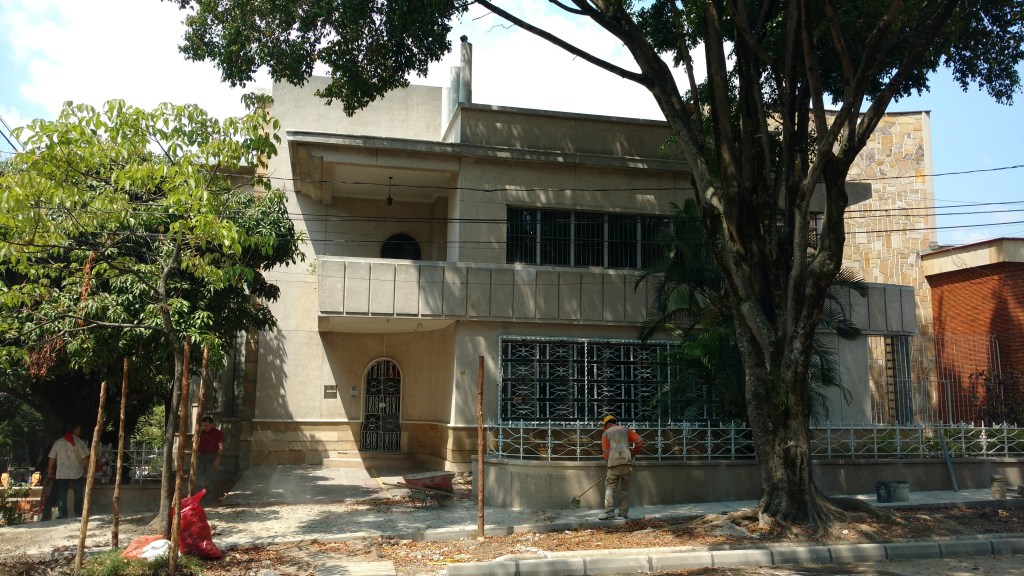
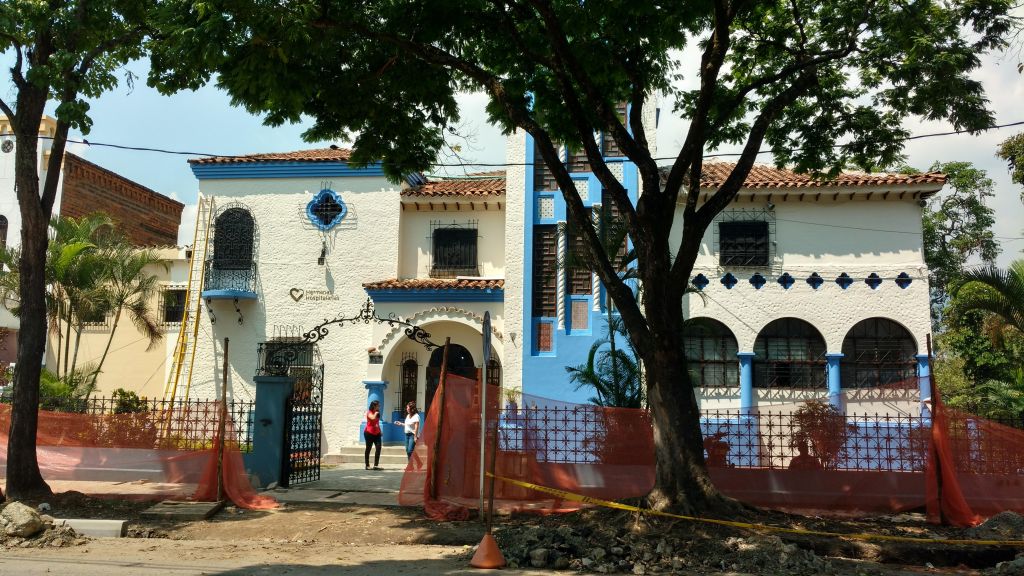
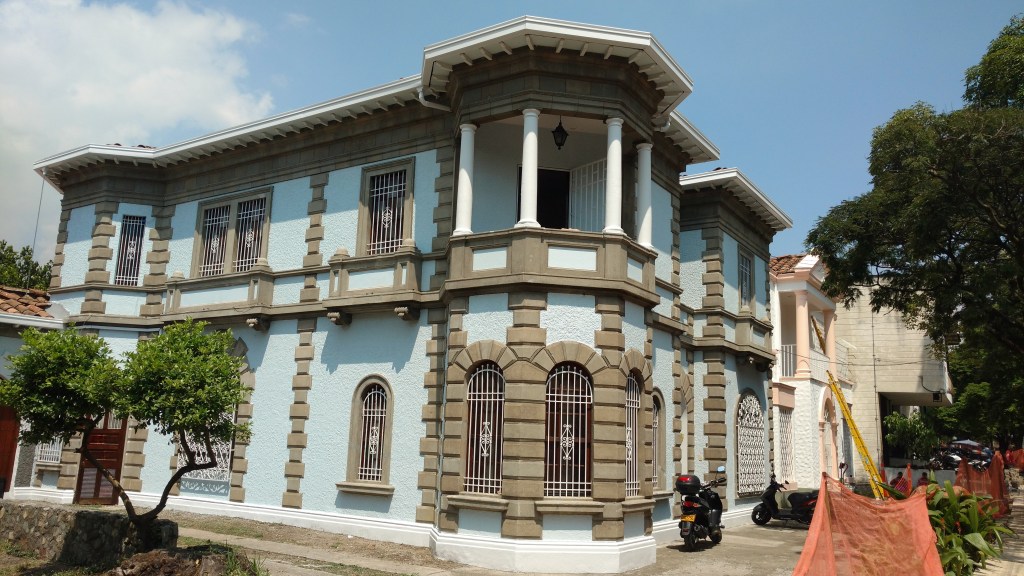
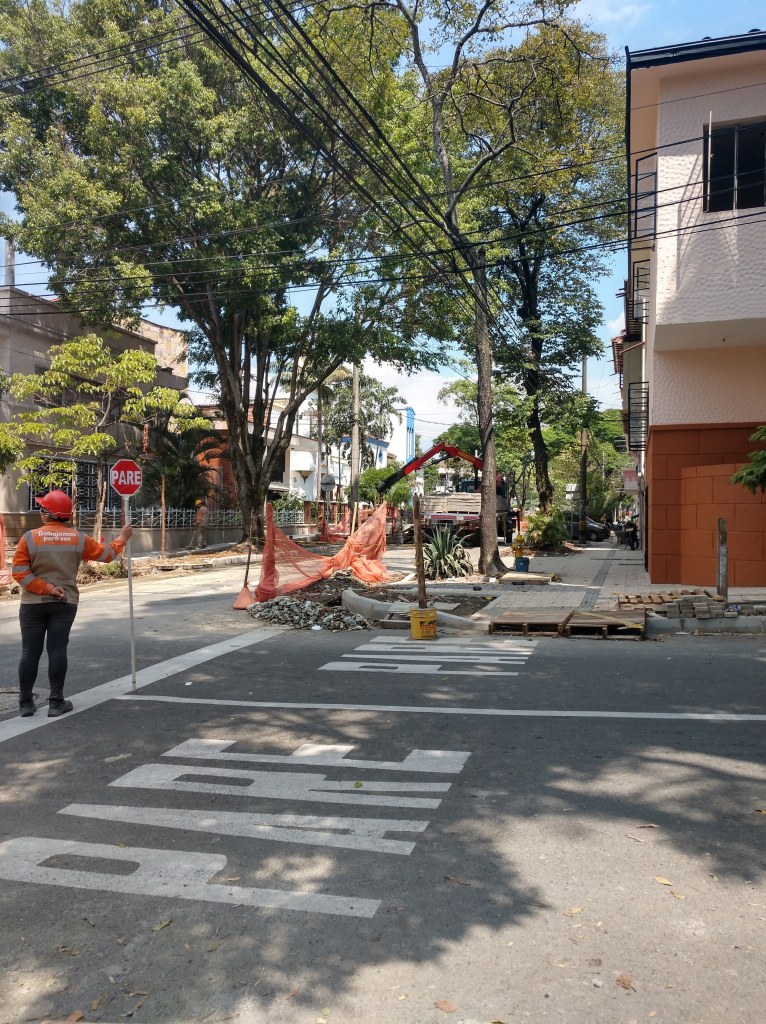
We hadn’t explored a couple of neighborhoods that were recommended by my Colombia book, so we went to Prado. This was “THEE” place to live in the 50s and 60s because it represented the Spanish influence on Medellin from those who migrated from Spain. Poblado is the “NOW” neighborhood. But the renovations have begun in Prado to revitalize the neighborhood and it seems there is construction everywhere in the area. Check out the slides below.
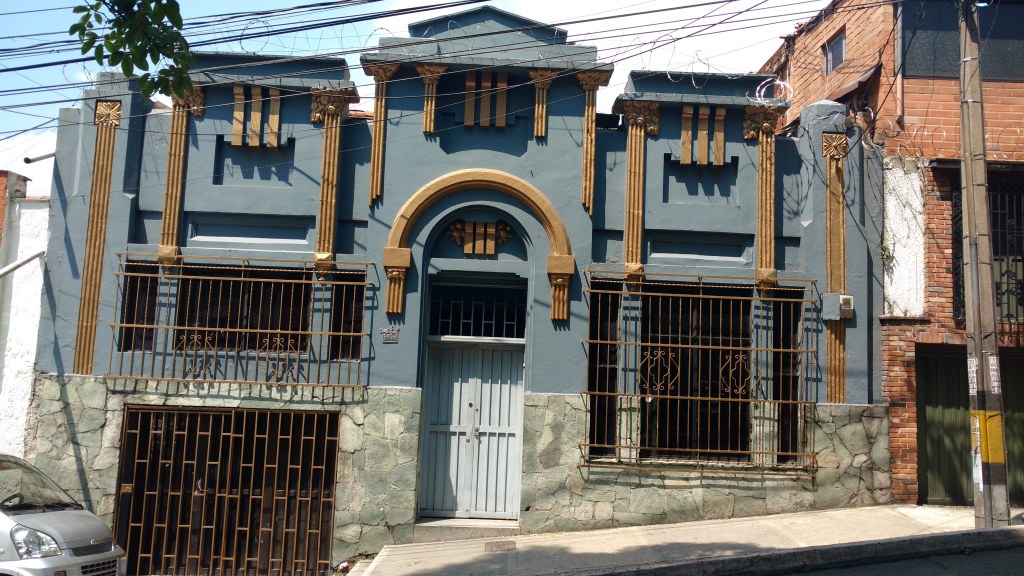
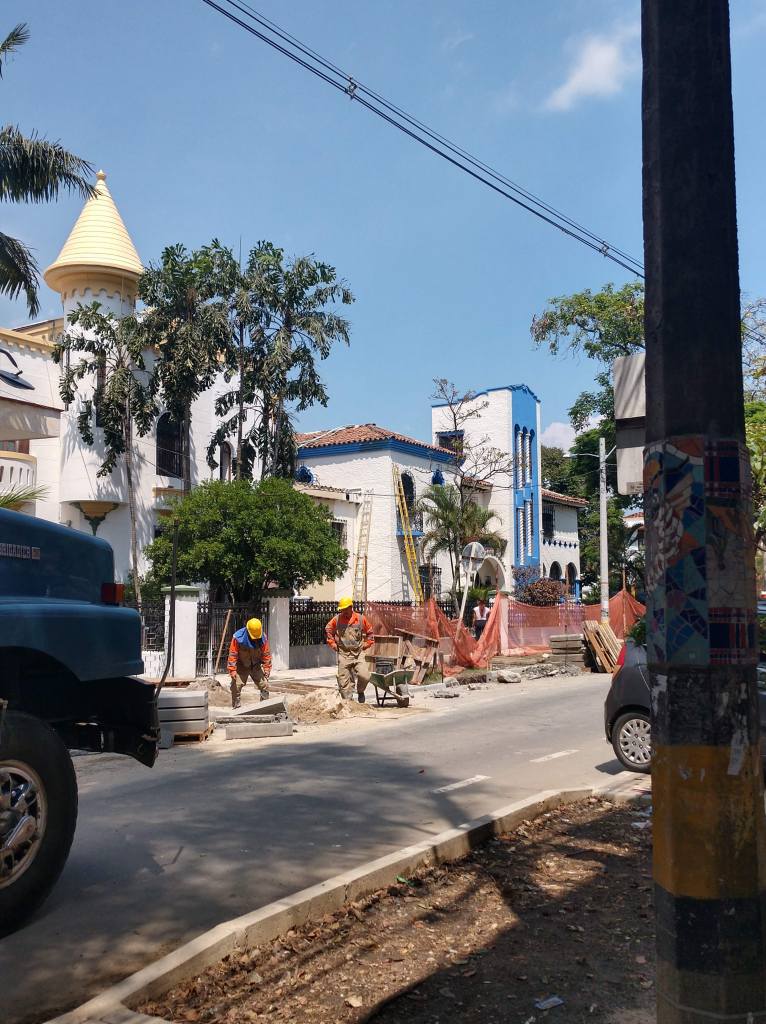
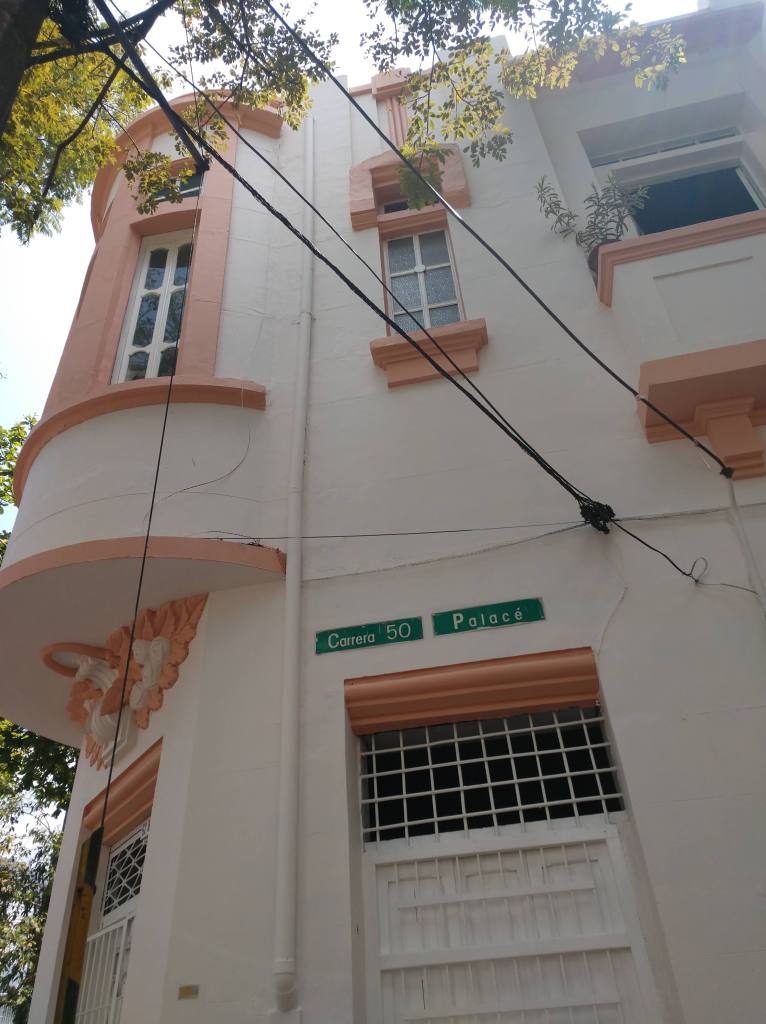
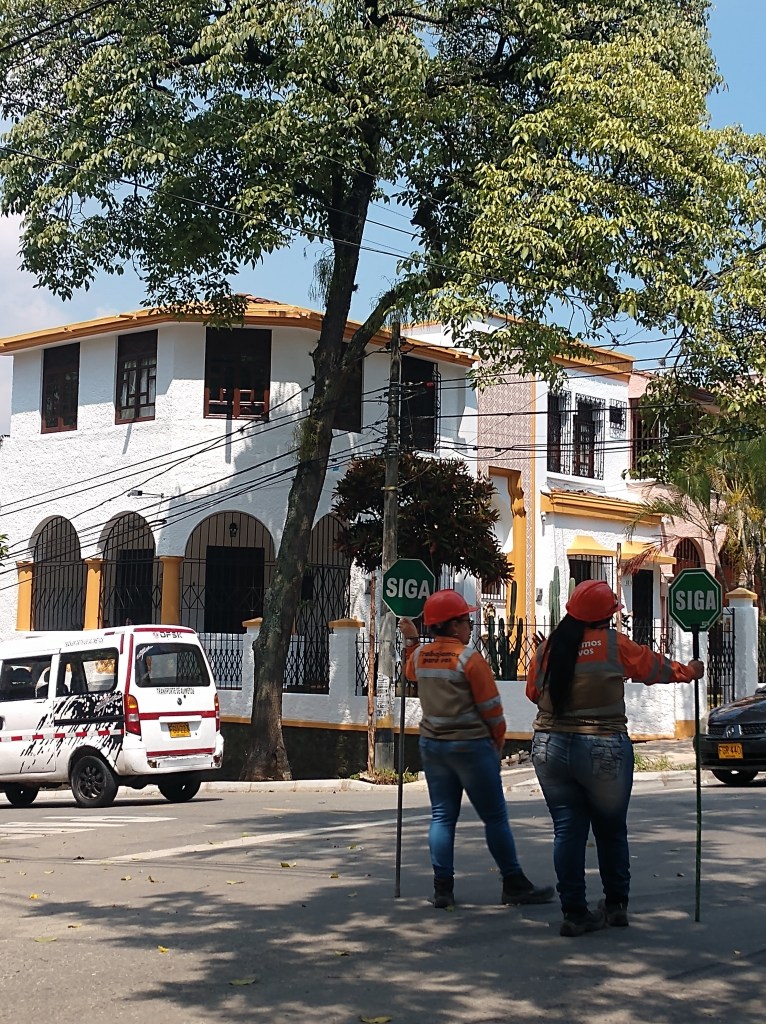
On a whim, we decided to take the bus to Barbosa, a pueblo North of Medellin only about an hour away. Population 25,000. Returning to Medellin, we stopped at Parque Berrio to see the Uribe Palace known as a cultural center celebrating the arts.
Photos follow.
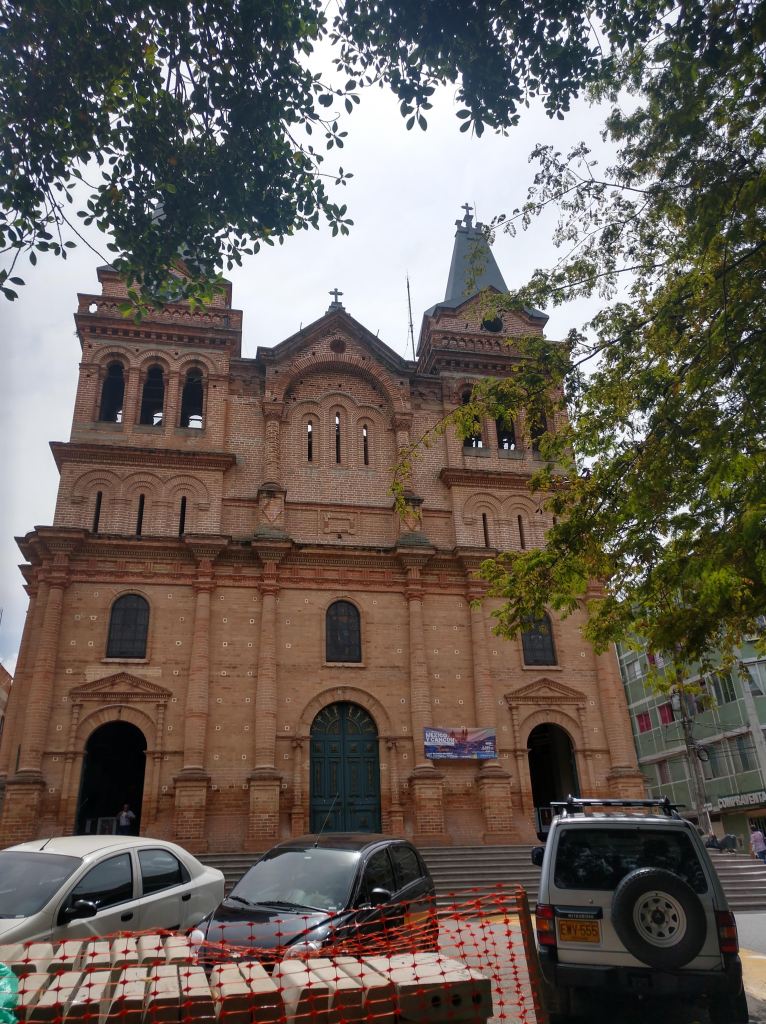
Main Park in Barbosa, Parque Bolivar. 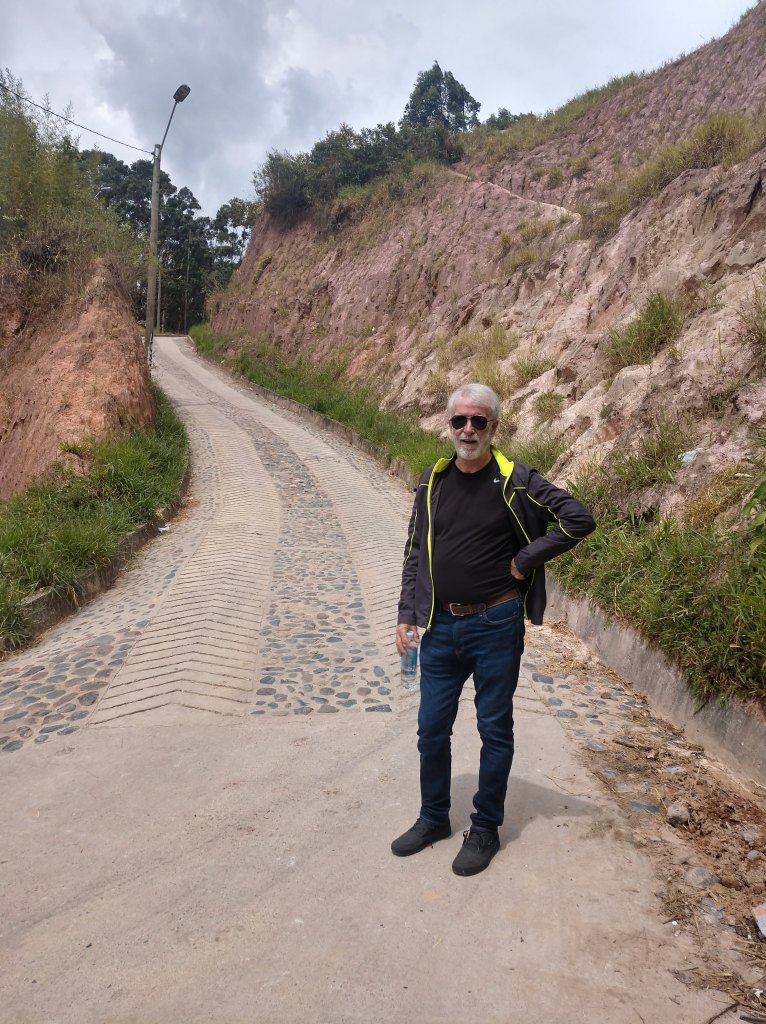
Heading up to Cerro del Virgin in Barbosa. 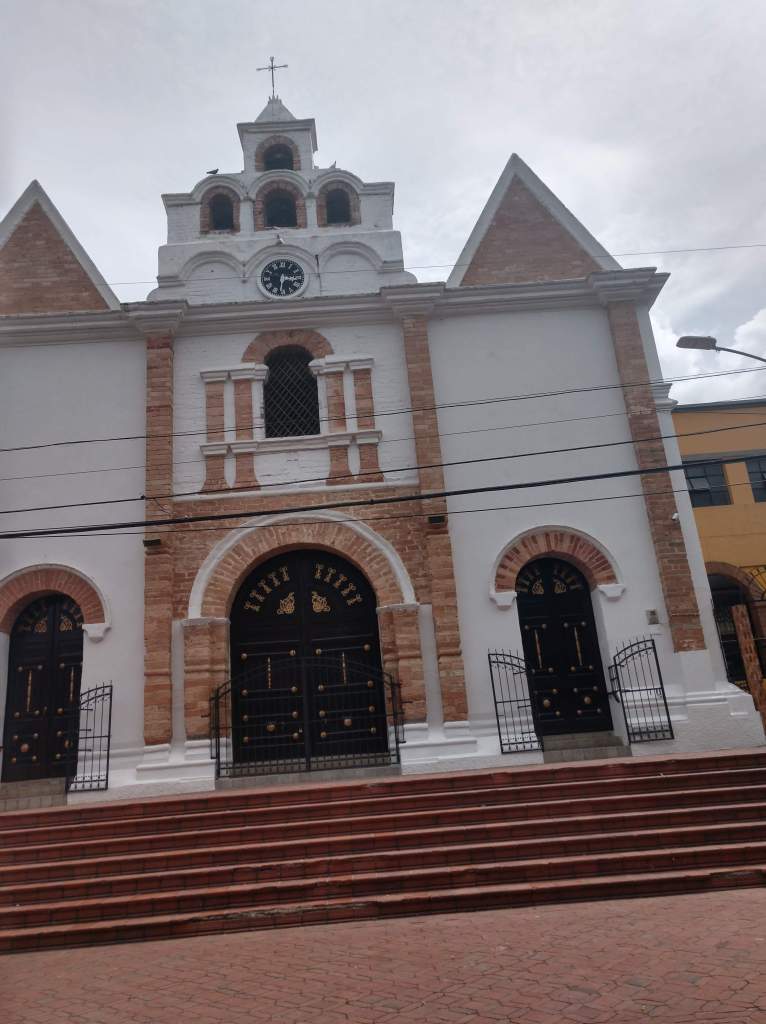
Another church in Barbosa 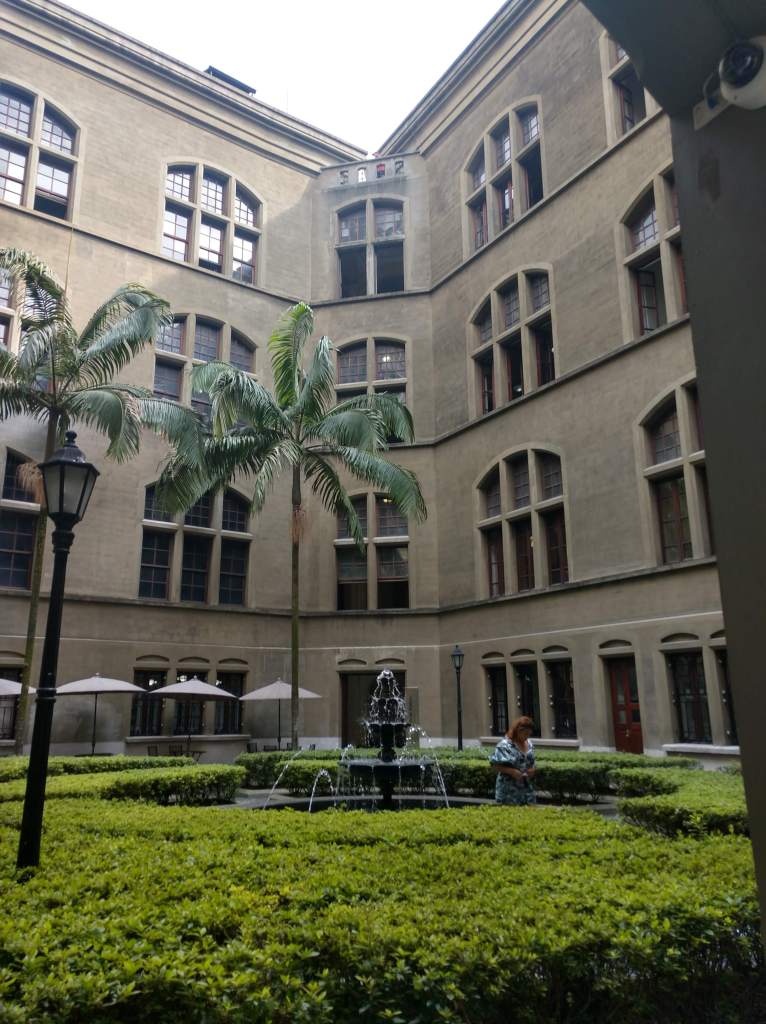
Uribe Palace 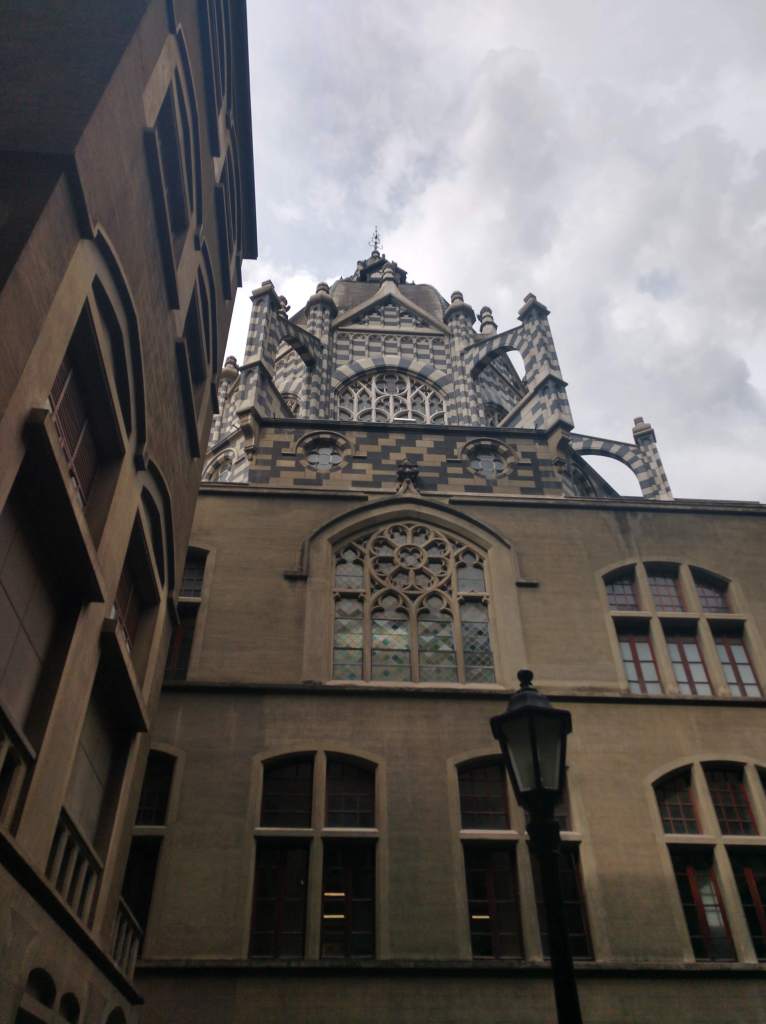
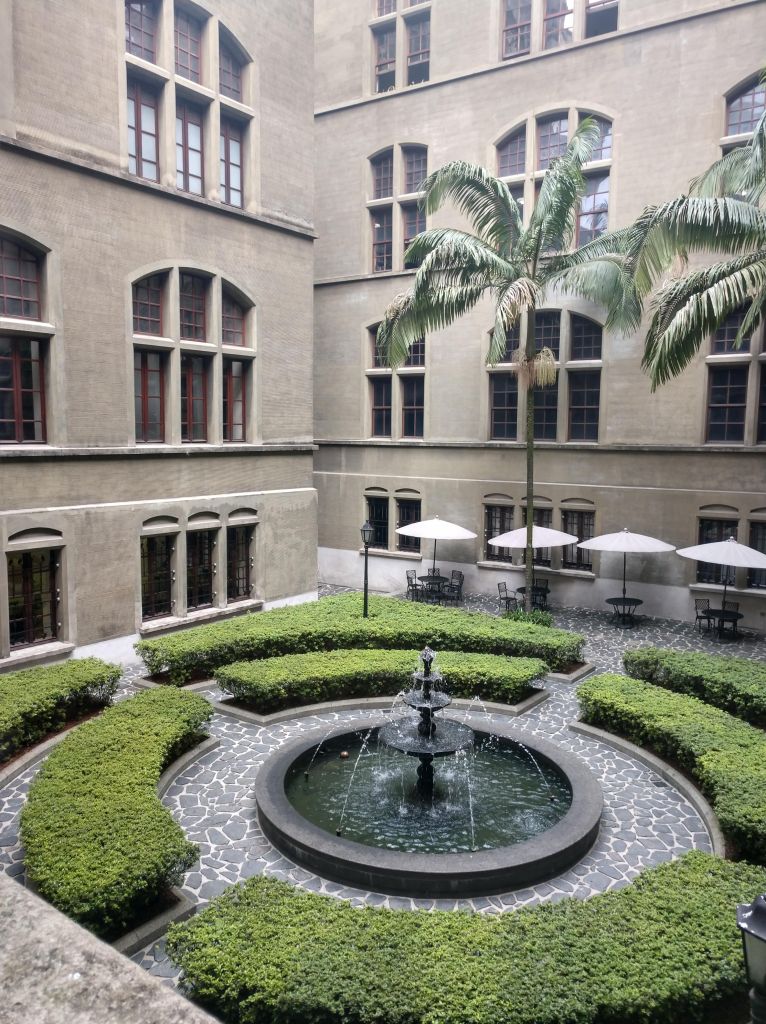
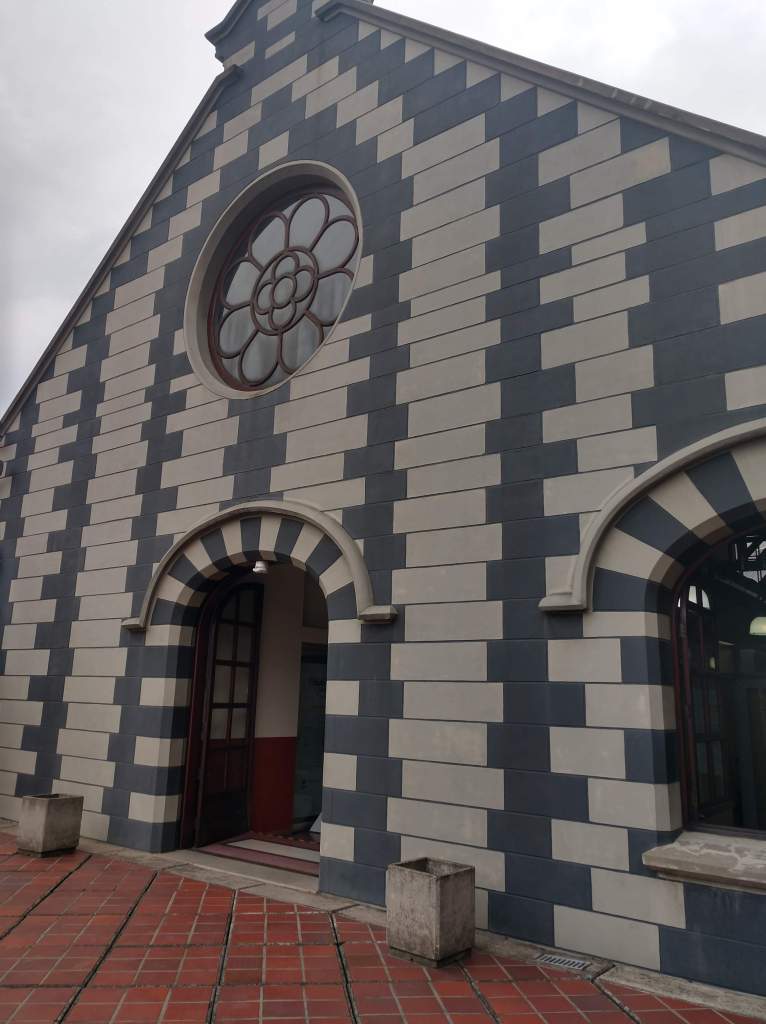
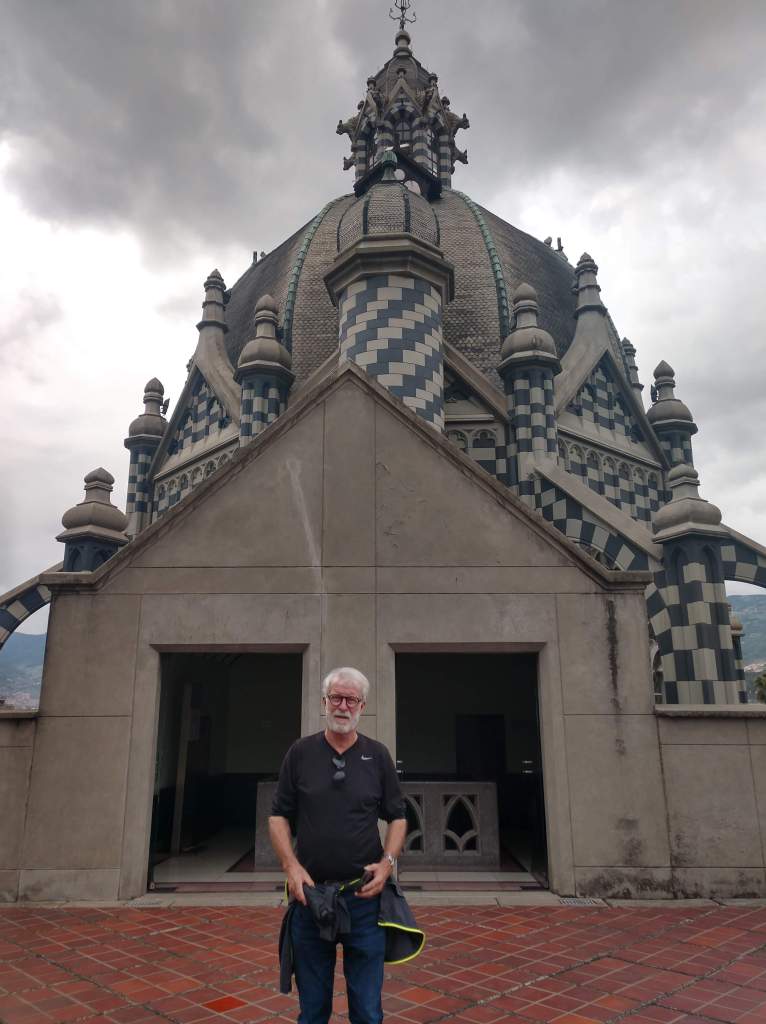
Near the Cupola in the Uribe Palace
Saturday we booked a Coffee Tour close to Medellin. First they showed us the Laboratory where they sort and roast. Then took us to La Finca (the farm) where they grow the beans. We learned a lot about coffee production that day!
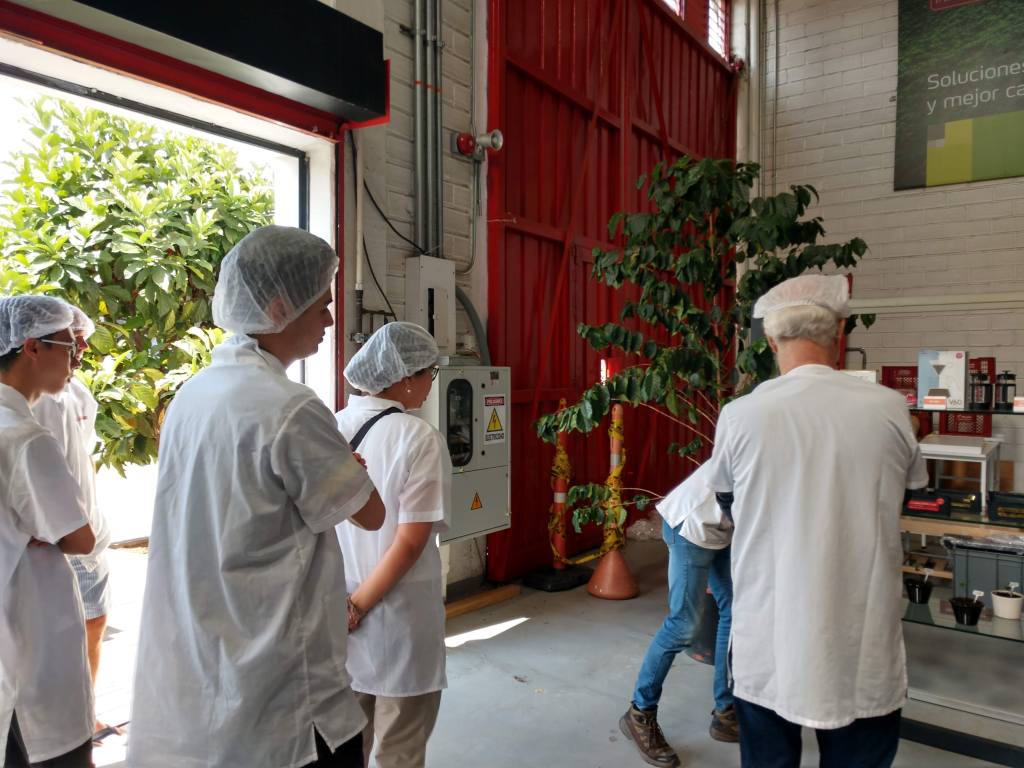
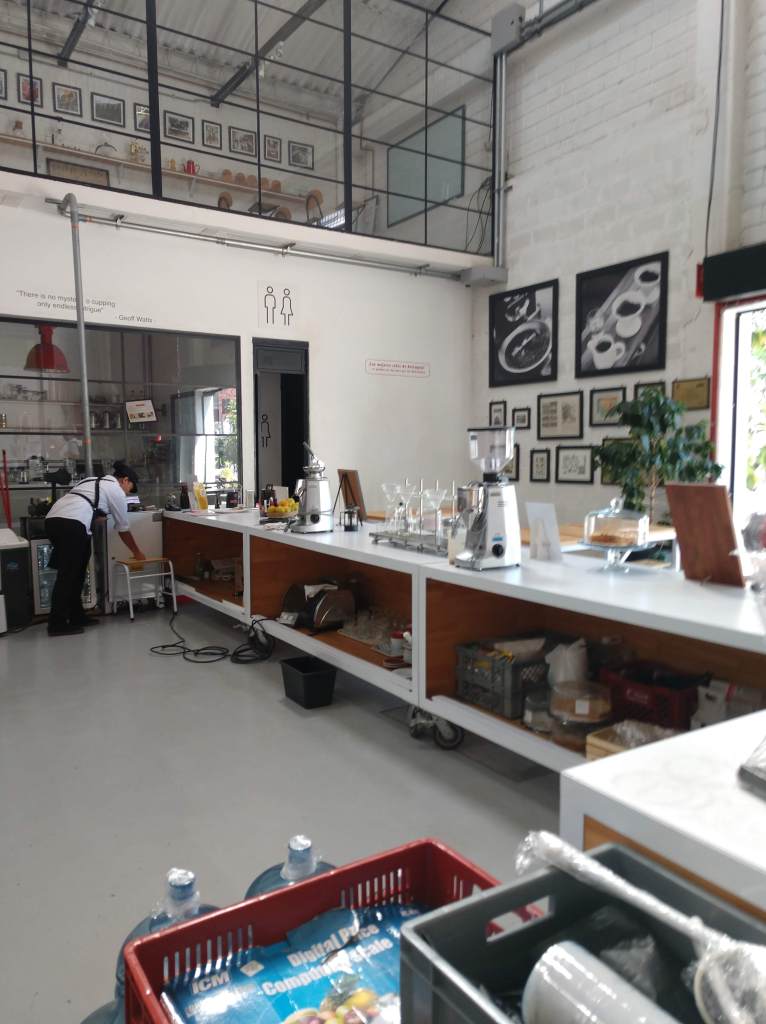
The Laboratory 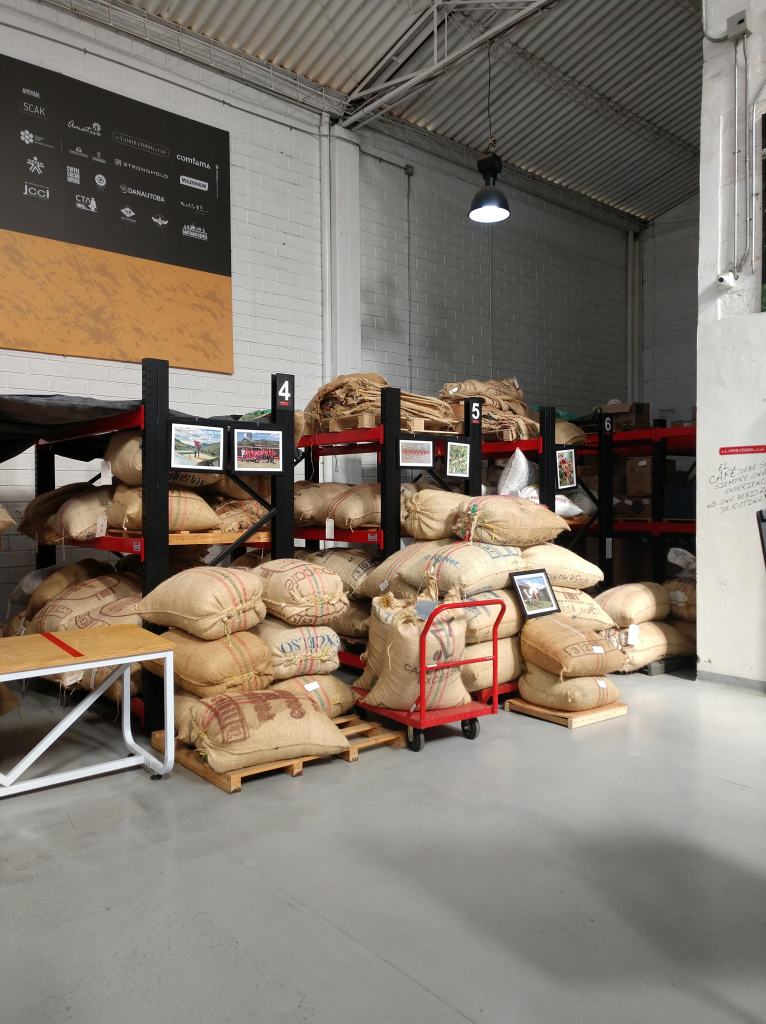
Beans are sorted according to size before being roasted 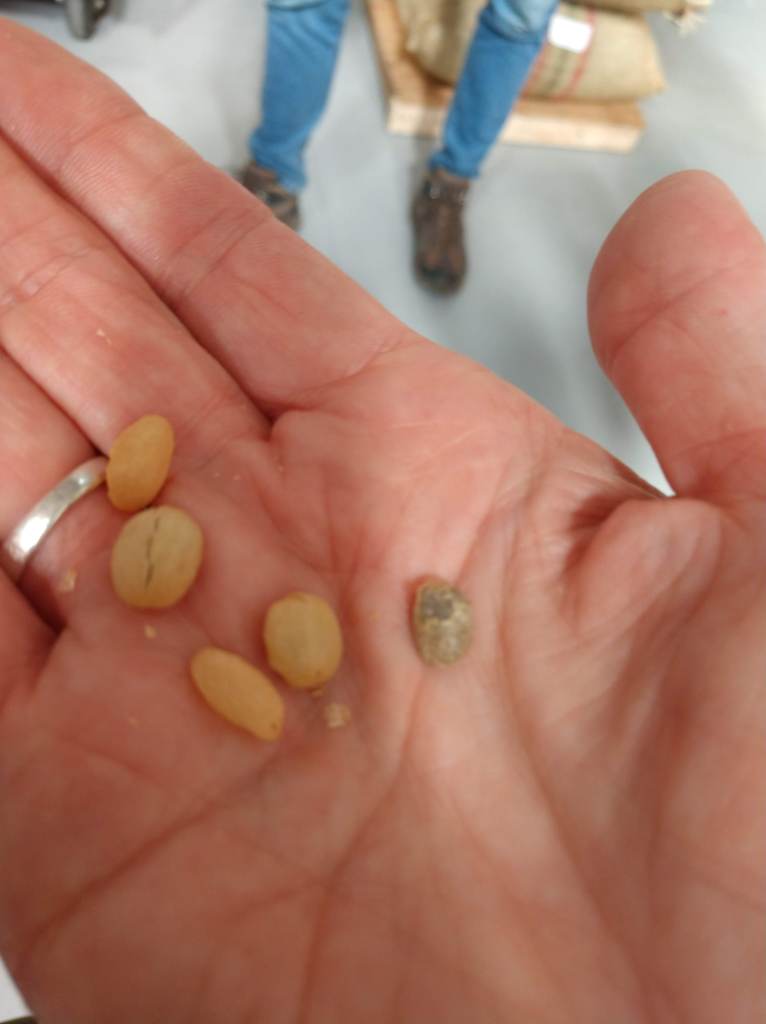
The bean with the shell, which must be removed in a shelling machine. They use the shells for compost. 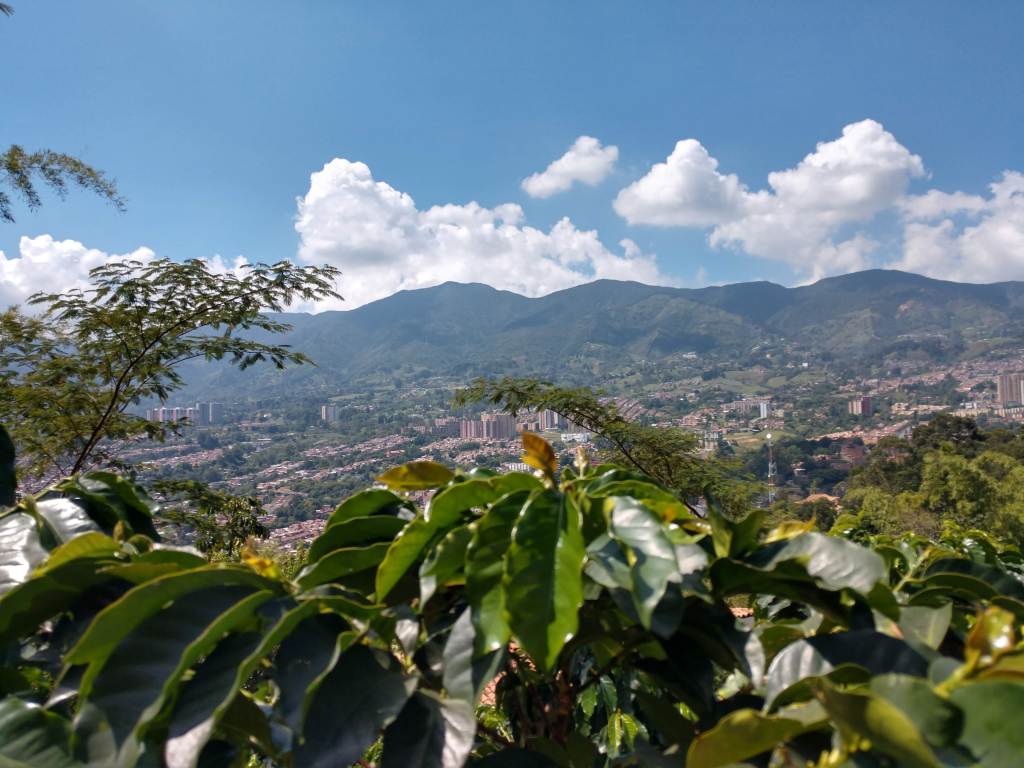
View from the coffee farm overlooking Medellin 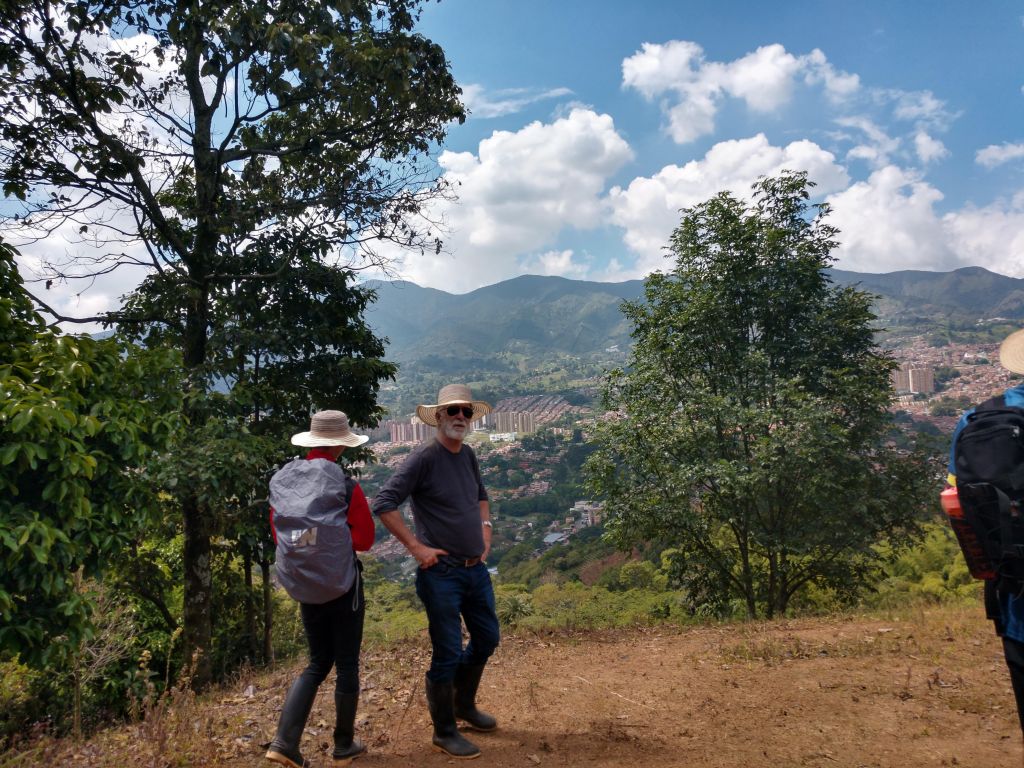
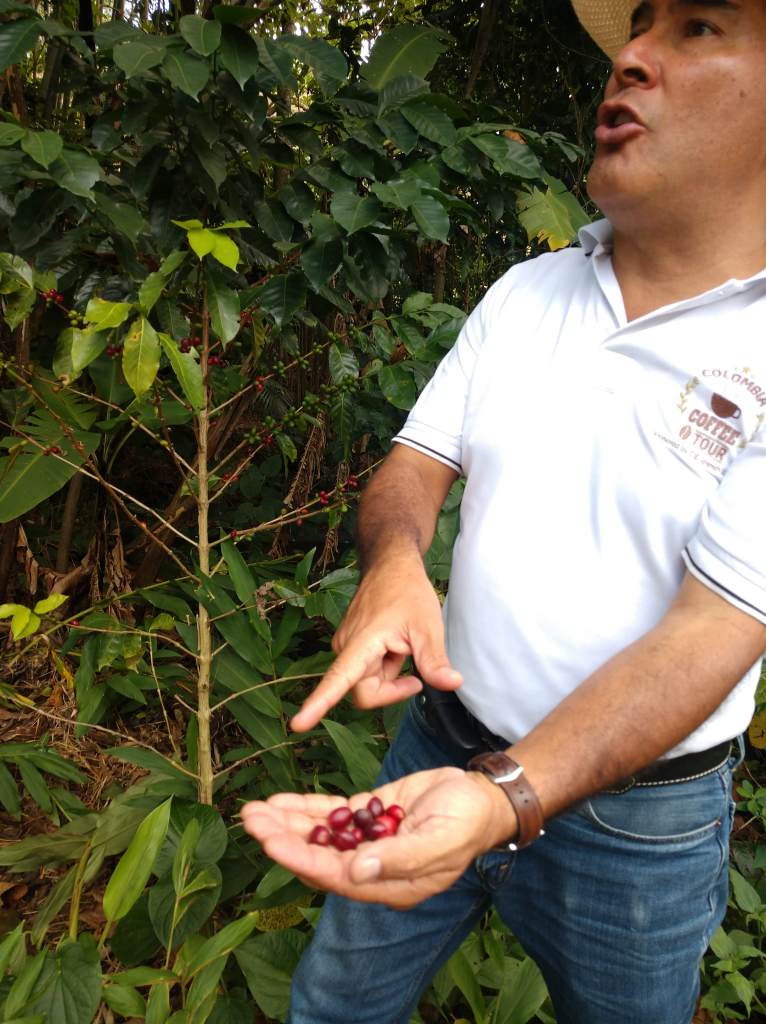
The coffee cherry just picked. This farm picks all of the beans by hand and their harvest season, because of the spectacular weather, is anywhere from 9-11 months
The ripe bean has a cherry like appearance and actually tastes sweet, like a cherry. It takes about 18 months from seedling to harvest and they produce for about 30 years. This is an organic farm…..no pesticides or chemicals of any kind. These coffee connoisseurs are very proud of the product they farm and rightly so. They belong to a Federation that regulates coffee production. They have stringent requirements to meet and a reputation to maintain to bring the world the famous Colombian coffee. BTW, there is no Juan Valdez, just a made up character with a Burro:)
That’s all I got on Medellin. Bogota is next for me, I will enjoy 5 days there and then meet up with Mark in Cartagena for the rest of our time in Colombia.
Hasta Luego!
 The BIG Colombian Adventure